


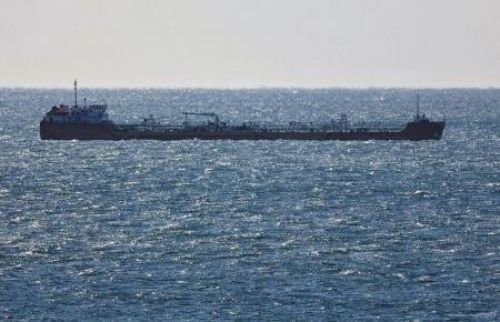
The modern sanctions war against Russia is no longer fought only in banks, energy markets, or diplomatic chambers. It is increasingly being waged at sea—through obscure registries, aging oil tankers, shell companies, and flags of convenience fluttering above vessels that often have little real connection to the nations whose colors they fly.
At the heart of this quiet maritime contest lies a troubling reality: African shipping registries have become essential operational shields for Russia’s shadow oil fleet.
What once appeared as isolated cases of sanctions evasion has evolved into a structured and highly adaptive maritime system, designed to protect Russian oil exports from Western economic pressure. The scale of this transformation is becoming impossible to ignore. More than half of all globally documented cases of false-flag registration are now linked to African jurisdictions. Registries in Comoros, Cameroon, Gabon, and Togo have emerged as preferred destinations for vessels tied to Russia’s sanctions-evading tanker network.
The implications extend far beyond administrative loopholes. This is rapidly becoming one of the defining weaknesses in the global maritime governance system.
For Moscow, the strategy is both simple and remarkably effective. Western sanctions depend heavily on transparency—the ability to identify vessel ownership, track cargo movements, verify insurance coverage, and establish accountability across the maritime supply chain. The shadow fleet exists precisely to dismantle that transparency.
By shifting vessels into jurisdictions with weak oversight and commercially driven registration systems, Russia has learned to dilute the effectiveness of sanctions without confronting them directly. The result is a maritime ecosystem where oil continues to flow, revenues continue to enter Russian state coffers, and the credibility of Western restrictions steadily erodes.
The shadow fleet itself is not new. But its growing integration into African registries marks a significant evolution. In the past, sanctions evasion relied on isolated deceptive practices: AIS manipulation, ship-to-ship transfers, falsified cargo documentation, or rapid changes of vessel names and ownership structures. Today, entire registry systems are being absorbed into the operational architecture of sanctions circumvention.
The Comoros registry has become one of the most frequently used flags among vessels linked to Russia’s shadow fleet. Its appeal lies precisely in the characteristics that make sanctions enforcement difficult: low registration fees, rapid approval procedures, weak beneficial ownership verification, and limited enforcement capacity. Aging tankers rejected or de-flagged elsewhere can quickly obtain new legal identities with minimal scrutiny.
Cameroon’s shipping registry has seen an extraordinary expansion in registered tonnage over a remarkably short period, driven largely by the arrival of high-risk tankers associated with Russian oil transport. What should alarm policymakers is not merely the growth itself, but what it represents—the emergence of a parallel maritime infrastructure operating outside effective regulatory oversight.
Gabon and Togo are also appearing with increasing frequency within the shadow fleet ecosystem, as they offer similar structural advantages: simplified registration systems, reliance on third-party intermediaries, limited inspection capacity, and weak monitoring of vessel ownership structures.
The danger here is not merely reputational for the African states involved. The larger problem is systemic. Global shipping depends fundamentally on trust in the integrity of flag states. A vessel’s flag is supposed to signify legal accountability, regulatory supervision, and compliance with international maritime law. When flags become commodities sold with little oversight, that system begins to fracture.
Russia understands this vulnerability well.
The Kremlin does not need to defeat sanctions outright. It only needs to weaken enforcement enough to keep oil exports moving. Every opaque registry, every hidden ownership structure, every delayed inspection, and every false-flag transfer increases the cost and complexity of sanctions enforcement for the United States and its allies.
This is why the shadow fleet has become strategically valuable to Moscow beyond mere oil transportation. It is now a geopolitical instrument designed to expose the limits of Western economic coercion.
The consequences are profound.
First, the continued growth of the shadow fleet undermines the deterrent power of sanctions themselves. If Russia can maintain oil exports despite sweeping restrictions, other sanctioned states may eventually replicate the same model. The normalization of opaque maritime networks risks weakening sanctions as a global enforcement mechanism altogether.
Second, the rise of poorly regulated tanker operations introduces major maritime safety and environmental risks. Many shadow fleet vessels are aging tankers operating with questionable maintenance records, uncertain insurance coverage, and limited regulatory inspection. A serious oil spill involving one of these vessels in African or international waters would expose not only environmental vulnerabilities but also the dangers of allowing opaque fleets to operate beyond effective scrutiny.
Third, African states themselves risk becoming entangled in geopolitical confrontations that extend far beyond commercial ship registration revenues. Registries associated with sanctions evasion may eventually face reputational damage, insurance complications, financial scrutiny, and pressure from Western governments and financial institutions.
This is where the issue becomes especially relevant to Africa’s broader maritime future.
The continent has long sought to position itself as a serious maritime actor in global trade, shipping, logistics, and blue economy development. African ports are expanding. Maritime corridors are growing in strategic importance. Governments are investing in shipping, fisheries, offshore energy, and maritime infrastructure. Yet the credibility of Africa’s maritime governance architecture will increasingly matter as much as physical infrastructure itself.
Weak registries may generate short-term financial revenue, but they risk undermining long-term maritime credibility.
For countries like Kenya, which aspires to become a leading maritime and logistics hub in East Africa, the shadow fleet phenomenon offers an important warning. Maritime governance is no longer simply about port expansion or vessel traffic growth. It is now directly tied to geopolitical trust, sanctions compliance, insurance credibility, environmental protection, and international regulatory confidence.
The Port of Mombasa cannot aspire to global maritime leadership while the wider regional maritime environment becomes associated with opacity and sanctions circumvention.
Western governments, meanwhile, face a difficult reality. Ship-by-ship sanctions enforcement is proving insufficient against a highly adaptive shadow fleet ecosystem. Targeting individual tankers after they change names, flags, and ownership structures is inherently reactive.
What is increasingly required is system-level enforcement.
The most effective response would combine several coordinated measures: aggressive sanctions against registry facilitators and intermediaries, mandatory beneficial ownership disclosure requirements, stronger insurance and reinsurance restrictions, real-time registry data sharing, enhanced port-state inspections, and coalition-wide watchlists of high-risk vessels and registries.
Crucially, enforcement must also target the service chain surrounding shadow fleet operations—insurers, brokers, technical managers, classification societies, and maritime agents who enable these vessels to continue operating.
At the same time, Western governments must recognize that some African maritime administrations lack not only political incentives but also technical capacity. Pressure alone may not be sufficient. Assistance in registry digitization, ownership verification systems, sanctions compliance monitoring, and maritime governance reform may prove equally important.
Because the deeper issue is no longer only Russia’s oil exports.
The real issue is whether the global maritime system can preserve transparency, accountability, and regulatory credibility in an era where geopolitical competition increasingly exploits the weakest points of international governance.
At sea, sovereignty is symbolized by the flag a ship flies.
Today, some of those flags are becoming instruments not of national responsibility, but of strategic concealment.