


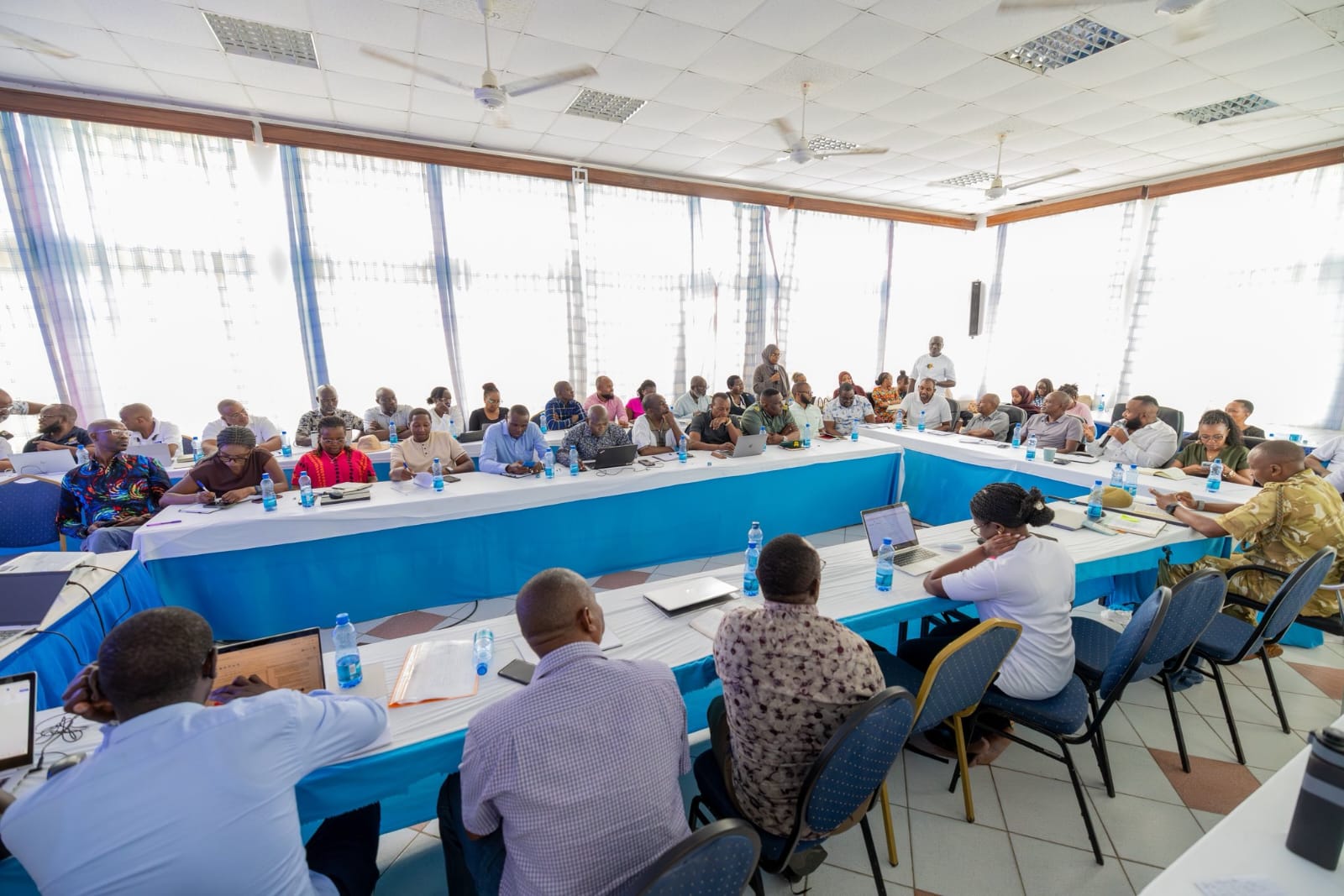
The choice of Mombasa as host city is therefore deeply symbolic. As East Africa’s largest port and one of the continent’s most critical maritime gateways, Mombasa sits at the crossroads of global trade routes linking Africa to Asia, Europe, and the Middle East. Hosting OOC11 in Kenya underscores Africa’s growing importance in global maritime affairs and highlights the strategic role of the Western Indian Ocean in shaping future ocean governance.
From Conservation to Sustainable Prosperity
The conference agenda reflects a deliberate shift from traditional conservation narratives toward a more integrated approach that recognizes the ocean as both an ecological asset and an economic engine. Sessions on sustainable fisheries, ocean finance, climate resilience, maritime transport investments, blue carbon, and community-led ocean governance all underscore a crucial insight: environmental sustainability and economic development are mutually reinforcing.
Africa’s challenge is not the absence of marine resources, but the inability to fully harness them. Illegal, unreported, and unregulated (IUU) fishing continues to rob African economies of billions of dollars annually. Limited maritime infrastructure constrains trade competitiveness. Ocean pollution threatens livelihoods and ecosystems. And climate change intensifies the vulnerability of coastal communities through sea-level rise, erosion, and extreme weather events.
OOC11 provides a platform to move beyond diagnosing these problems toward implementing practical solutions. Discussions on electronic fisheries monitoring, combating IUU fishing, maritime transparency reforms, and strengthening maritime domain awareness reflect a growing recognition that effective governance is essential for sustainable ocean development.
Blue Economy: Africa’s Next Economic Frontier
One of the most significant themes emerging from the conference programme is the emphasis on investment and finance. Plenary discussions on unleashing the potential of the blue economy—alongside numerous side events on blue finance, ocean investment, and entrepreneurship—signal a critical evolution in thinking.
Africa’s blue economy cannot be built on aspirations alone. It requires capital. Ports need modernization. Shipping corridors need decarbonization. Coastal infrastructure must become climate-resilient. Small-scale fishers need access to markets, technology, and financing. Ocean-based startups require investment ecosystems capable of nurturing innovation.
The presence of global financial institutions, development partners, and investment forums at OOC11 reflects a growing recognition that ocean sustainability and economic growth are investment opportunities, not development burdens. As the World Bank’s engagement on maritime transport demonstrates, efficient maritime transport remains fundamental to unlocking Africa’s trade potential and enhancing regional integration.
Maritime Security: The Foundation of Ocean Prosperity
No blue economy can flourish without secure maritime spaces. The conference’s focus on maritime security, domain awareness, and crimes affecting the ocean acknowledges a fundamental reality: economic development depends on security. Discussions addressing maritime crime, illegal fishing, and regional cooperation are especially relevant for Africa, where vast maritime zones often exceed national enforcement capacities.
African nations must continue investing in maritime surveillance, information sharing, coast guard capabilities, and regional cooperation frameworks. The future of maritime security in Africa will increasingly depend on African-led solutions built on collective responsibility and regional ownership. The Western Indian Ocean region, in particular, has demonstrated that coordinated approaches can effectively address transnational maritime threats. OOC11 offers an ideal platform to scale these successes across the continent.
Youth, Science, and Innovation at the Center
Perhaps the most encouraging aspect of the conference programme is the prominence given to youth engagement, scientific research, and innovation. Dedicated youth summits, scientific symposiums, startup forums, and discussions on data-driven decision-making signal a real commitment to building the next generation of ocean leaders.
Africa possesses one of the world’s youngest populations. Harnessing this demographic advantage requires investing in maritime education, research institutions, innovation hubs, and ocean literacy. The future marine scientists, seafarers, ocean engineers, marine biologists, port managers, naval architects, and maritime entrepreneurs who will drive Africa’s blue economy are already emerging across the continent. They need opportunities, mentorship, and access to global networks. OOC11 can serve as a catalyst for creating those pathways.
Climate Action and Ocean Resilience
The ocean is increasingly recognized as a critical component of climate solutions. Discussions on coral reef protection, blue carbon ecosystems, climate-resilient coastal development, offshore renewable energy, and ocean-climate action highlight the growing integration of climate and ocean policy.
For African coastal communities, climate change is not a future threat—it is a present reality. Mangrove restoration, sustainable fisheries management, marine protected areas, and resilient coastal infrastructure are becoming economic necessities, not environmental luxuries. The emphasis on blue carbon initiatives and climate-resilient ocean economies reflects a pragmatic approach to balancing development with environmental stewardship.
Beyond Commitments: Implementation
The true measure of OOC11’s success will not be the quality of speeches or declarations. It will be measured by the commitments implemented after delegates return home. Previous Our Ocean Conferences have generated thousands of commitments worth billions of dollars globally. The challenge has always been translating pledges into tangible outcomes.
Africa must use OOC11 to secure concrete investments, strengthen regional partnerships, accelerate technology transfer, expand capacity building, and advance the implementation of blue economy strategies. The conference should be remembered not as an event, but as a turning point.
Conclusion
The Eleventh Our Ocean Conference arrives at a pivotal moment in history. As global attention increasingly turns toward the ocean as a source of solutions for climate change, food security, economic growth, and sustainable development, Africa has a unique opportunity to shape the narrative.
Mombasa is not merely hosting a conference. It is hosting a conversation about the future of the planet’s largest ecosystem and humanity’s relationship with it. The message emerging from Kenya’s shores should be clear: Africa is ready to lead. Africa is ready to innovate. Africa is ready to invest. And Africa is ready to demonstrate that sustainable ocean governance and economic prosperity can advance together.
The ocean’s future will not be decided solely in the traditional centers of global power. Increasingly, it will be shaped in places like Mombasa—where ambition, opportunity, and leadership converge on the shores of a continent whose maritime century is only just beginning.
“The ocean is Africa’s greatest untapped asset. OOC11 must become the platform where aspiration transforms into action, where commitments become investments, and where the blue economy becomes a vehicle for inclusive prosperity across the continent.”
“Mombasa stands not only as the gateway to East Africa but as the gateway to a new era of African leadership in global ocean governance.”