


As Kenya prepares to welcome global leaders, scientists, policymakers, conservationists, and investors to the prestigious Our Ocean Conference, the country stands at a defining crossroads. The gathering offers an unprecedented opportunity to showcase Kenya’s growing leadership in marine conservation, blue economy development, climate action, and sustainable ocean governance. Yet beneath the conference’s optimism lies a troubling contradiction—one that risks undermining the very message Kenya hopes to project to the world.
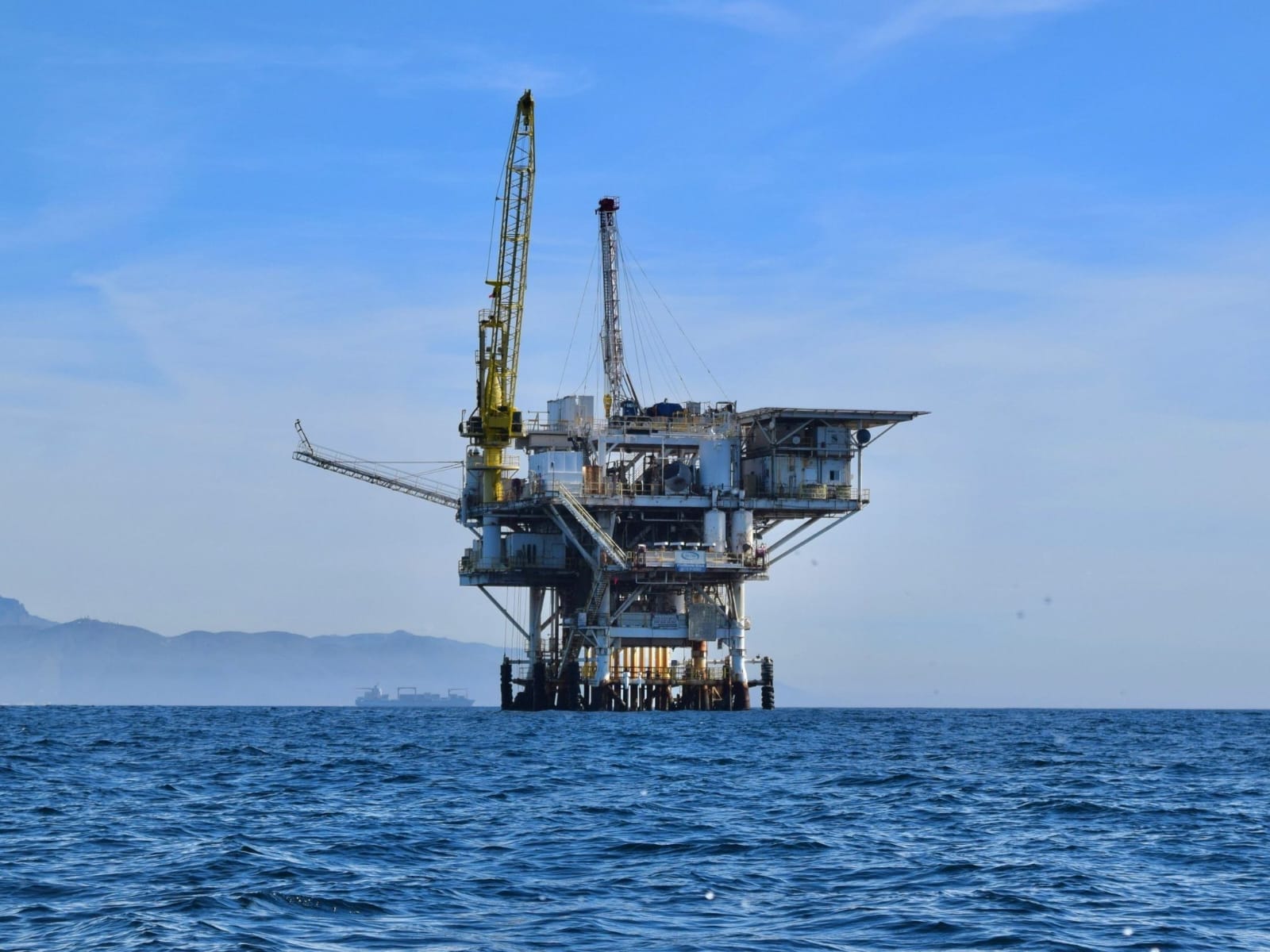
Recent analysis by Earth Insight and its partners reveals that every marine protected area, coral reef ecosystem, mangrove forest, and key biodiversity zone along Kenya’s coastline falls within the footprint of proposed offshore oil and gas exploration blocks. These findings raise profound questions about the coherence of Kenya’s ocean governance agenda: can conservation commitments genuinely coexist with expanded fossil fuel exploration in some of the country’s most ecologically sensitive marine environments?
The issue extends far beyond environmental advocacy. It strikes at the heart of Kenya’s identity as a maritime nation.
From the ancient Swahili settlements of Lamu to the fishing villages of Kilifi, Mombasa, Kwale, and Tana River, the ocean has shaped livelihoods, culture, commerce, and heritage for centuries. The Kenyan coast is not merely a geographical space; it is a living cultural landscape—one where communities have depended on marine resources across generations.
Coral reefs sustain fisheries that support thousands of coastal households. Mangrove forests serve as natural barriers against erosion, protect communities from storm surges, sequester carbon, and provide breeding grounds for fish essential to food security. Seagrass meadows, coral ecosystems, and marine habitats together support tourism, fisheries, transport, and the broader blue economy.
These ecosystems are not replaceable.
Once damaged by industrial accidents, oil spills, seismic surveys, or infrastructure development, their recovery can take decades—if it occurs at all.
The contradiction becomes even starker when viewed against Kenya’s impressive clean energy achievements.
Nearly 90 percent of Kenya’s electricity comes from renewable sources: geothermal, hydropower, wind, and solar. Few developing countries can claim such remarkable progress toward a low-carbon future. Kenya has earned global recognition as a renewable energy pioneer and has consistently positioned itself as a champion of climate resilience and sustainable development.
Given this success, the rationale for pursuing extensive offshore fossil fuel exploration warrants rigorous scrutiny.
What strategic necessity justifies exposing critical marine ecosystems to heightened industrial risks, when Kenya has already demonstrated that economic growth and energy security can be advanced through cleaner alternatives?
The government must provide transparent answers.
Past exploration efforts in the Lamu Basin failed to discover commercially viable reserves capable of transforming the national economy. Policymakers must therefore explain what new evidence supports renewed optimism. What geological data has changed? What economic projections justify the risks? What safeguards exist to protect communities, fisheries, tourism, and biodiversity?
These questions deserve honest, evidence-based responses.
The concerns voiced by coastal communities are equally compelling.
Across the Kenyan coast, fishers increasingly report losing access to traditional fishing grounds, landing sites, and coastal areas due to competing commercial interests. Many fear that offshore petroleum development would further marginalize their livelihoods and weaken their relationship with the sea.
Their concerns are not rooted in opposition to development.
Rather, they stem from a demand for inclusion, transparency, and justice. Communities want meaningful participation in decisions that affect their future. They want their traditional ecological knowledge respected. They want assurance that economic benefits will not accrue solely to distant investors while local populations bear the environmental and social costs.
Indeed, the history of resource extraction across Africa offers numerous cautionary tales. Promises of prosperity have too often failed to materialize for local communities, while environmental degradation and social dislocation have persisted long after investors departed.
Kenya must avoid repeating those mistakes.
The debate also carries international implications.
In 2022, nearly 200 countries adopted the Kunming-Montreal Global Biodiversity Framework, committing to protect 30 percent of the world’s land and ocean areas by 2030—the “30×30” target. Kenya is among the nations that endorsed this ambitious goal.
Yet conservation commitments cannot remain symbolic declarations. Marine protected areas lose credibility if they exist on maps while simultaneously being exposed to industrial activities that threaten the very ecological values they were established to protect. Genuine protection requires enforceable safeguards and policy coherence across government institutions.
The world has witnessed similar contradictions elsewhere. Australia continues to grapple with tensions between marine conservation and offshore petroleum development. Indonesia faces difficult choices between biodiversity protection in the Coral Triangle and resource extraction. Mexico’s Gulf of California illustrates the complex struggle between economic development and marine conservation.
Kenya now faces a similar test.
But unlike many countries, Kenya possesses a unique opportunity to chart a different course.
As host of the Our Ocean Conference, Kenya occupies a position of influence and visibility. The decisions made today will be scrutinized not only by environmental organizations but also by investors, development partners, scientific institutions, and governments seeking examples of credible ocean leadership.
Leadership is ultimately measured not by speeches delivered at international conferences, but by policy choices implemented at home.
If Kenya seeks to emerge as Africa’s leading blue economy nation, it must demonstrate that conservation, community welfare, and sustainable economic development are not competing objectives but mutually reinforcing priorities.
This moment calls for prudence, not haste.
The Ministry of Energy and Petroleum, the National Environment Management Authority, and other relevant agencies should consider a temporary pause on offshore licensing activities pending comprehensive environmental assessments, transparent public consultations, and independent scientific review.
Such a pause would not signal a rejection of development. Rather, it would demonstrate responsible governance, strengthen public trust, and reaffirm Kenya’s commitment to evidence-based decision-making.
As delegates gather to discuss the future of the world’s oceans, Kenya has an opportunity to send a powerful message: marine ecosystems are not obstacles to development, but the foundations upon which sustainable prosperity depends.
The country can choose to become a model for balancing economic ambition with ecological stewardship. It can show that blue economy growth does not require sacrificing biodiversity, cultural heritage, or community livelihoods.
The ocean has sustained Kenya’s coastal communities for centuries. The challenge before the nation today is whether it will safeguard that legacy for generations yet to come.
The world will be watching. More importantly, future generations of Kenyans will be watching too.
This editorial argues that Kenya’s credibility as a global ocean leader will ultimately depend on aligning its conservation commitments, blue economy ambitions, and energy policies with the protection of the marine ecosystems and coastal communities that form the foundation of its maritime future.