


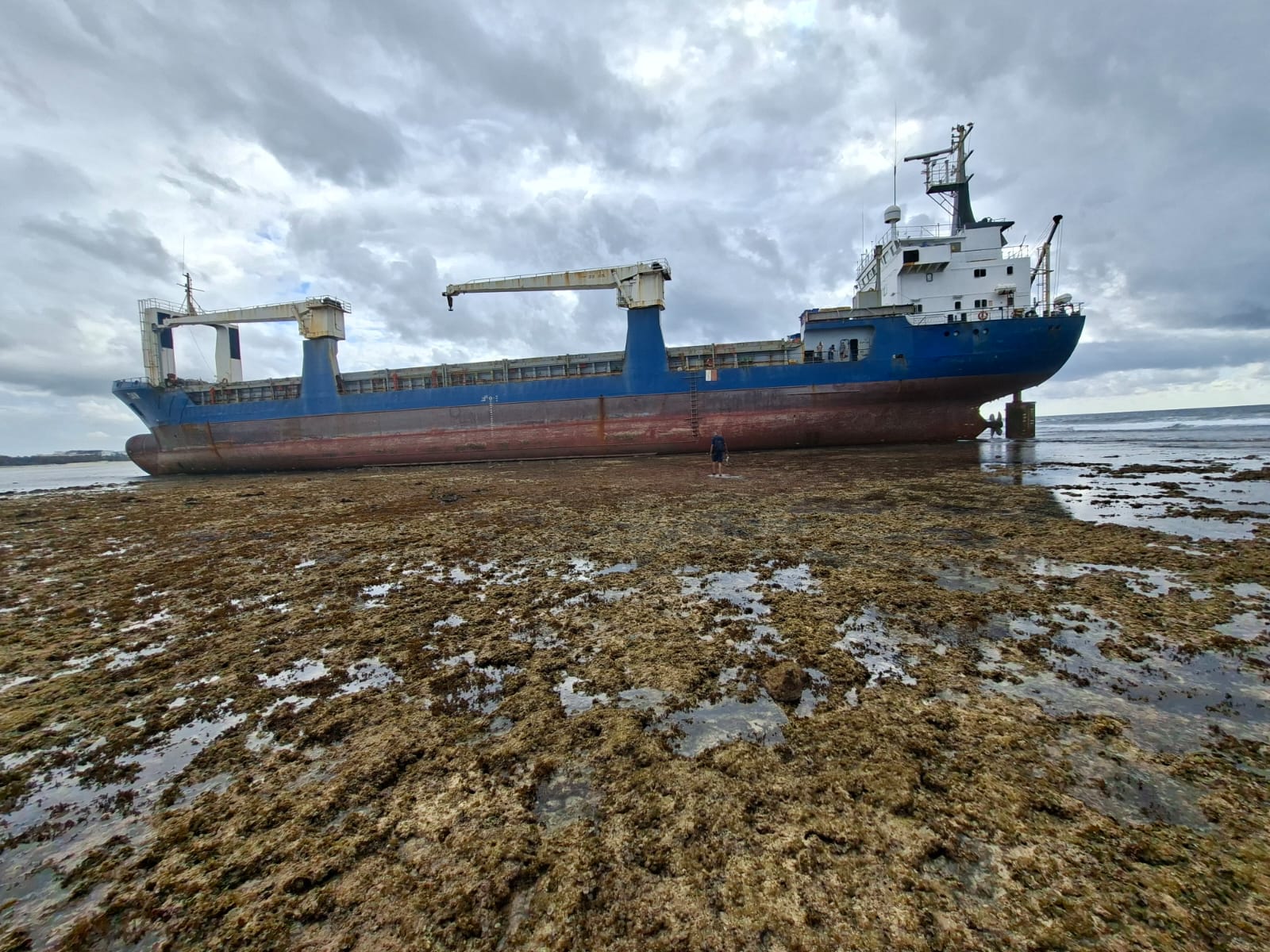
KMA deserves credit for its transparency and coordinated approach. The confirmation that the vessel remains grounded, coupled with ongoing multi-agency oversight, round-the-clock security by the Kenya Coast Guard, and the appointment of Yaa Holdings Limited as the salvage contractor, signals a serious and structured response. The emphasis on crew welfare, navigational safety, and marine environmental protection aligns with international best practices. Scheduling the refloating for mid-August 2026 to coincide with favourable weather and tidal conditions demonstrates prudent operational planning rather than rushed heroics. The regulatory and technical review of the salvage plan, alongside mobilisation of specialised equipment, further underscores that this is not being treated as a routine recovery but as a complex technical and ecological challenge.
Yet, an editorial cannot shy away from the uncomfortable questions this grounding raises. How did a vessel end up stranded in waters so close to one of Kenya’s premier tourist beaches and near the busy Mombasa port corridor? While the KMA statement understandably focuses on response rather than causation, the Kenyan public rightly expects a thorough investigation into possible navigational error, mechanical failure, human factors, or even adverse weather conditions that may have been foreseeable. Nyali Beach is not a remote shipping lane; it is a high-visibility, ecologically sensitive, and economically vital area. Any grounding here carries risks of fuel leakage, debris pollution, disruption to local fisheries, and reputational damage to Kenya’s coastal tourism brand.
The appointment of a local salvage contractor is encouraging, as it suggests opportunities for Kenyan expertise and jobs. However, the timeline—refloating potentially weeks away—highlights the need for greater national capacity in emergency maritime response. Kenya’s position as a regional maritime hub, with the Port of Mombasa serving as a gateway for East and Central Africa, demands world-class salvage readiness, rapid-deployment equipment, and highly trained personnel on standby. Delays in such operations, even when carefully managed, impose hidden costs on the environment, local communities, and the shipping industry itself through potential demurrage, insurance claims, and lost confidence.
Environmentally, the statement’s commitment to protection is welcome but must translate into verifiable action. The Indian Ocean coastline is a treasure of coral reefs, marine biodiversity, and mangrove ecosystems that support both tourism and livelihoods. Any prolonged grounding increases the risk of gradual pollution or physical damage to the seabed. KMA and relevant agencies should commit to independent environmental monitoring before, during, and after the salvage operation, with public reporting of findings. This incident should accelerate the full implementation of stricter vessel traffic management, updated pilotage requirements in sensitive areas, and enhanced emergency response drills.
From a broader policy perspective, the M.V. DAN episode is a reminder that maritime safety cannot be reactive. Kenya has made commendable strides in port modernisation and Blue Economy ambitions, but these must be matched by equally robust safety and regulatory enforcement. Investment in modern Vessel Traffic Service (VTS) systems, regular safety audits of older vessels—the DAN’s age and history warrant scrutiny—and stronger collaboration between KMA, the Kenya Ports Authority, the Coast Guard, and private sector stakeholders are essential.
The KMA’s appreciation for cooperation from the vessel owners and all agencies involved is positive. True success, however, will be measured not just by a safe refloating, but by whether Kenya emerges from this incident with tangible improvements: clearer accountability protocols, faster response capabilities, and heightened industry vigilance. The public and Parliament should demand a comprehensive post-incident review with actionable recommendations.
In the end, the grounding of the M.V. DAN is more than a localised maritime mishap. It is a stress test for Kenya’s growing maritime nation status. The professional tone of KMA’s update inspires cautious optimism that the situation will be resolved safely. But optimism must be paired with urgency. Our coastline, our environment, and our economic future deserve nothing less than relentless preparedness. Kenya must turn this incident into a catalyst for stronger maritime governance—ensuring that Nyali Beach, and all our coastal treasures, remain symbols of beauty and opportunity rather than cautionary tales.
Andrew Mwangura is a Mombasa based Public Intellectual and maritime analyst.