


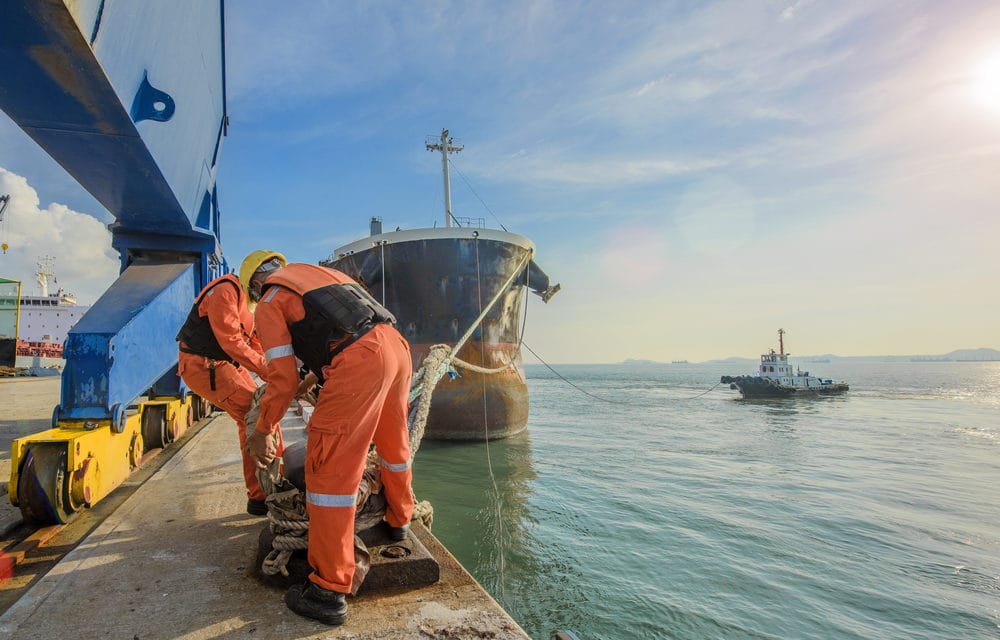
In an industry that moves over 80% of global trade by volume, the line between a routine port call and a multimillion-dollar disaster often comes down to a few ropes, some deck fittings, and the skill of those handling them. The ship mooring system is deceptively simple in concept, yet brutally unforgiving in practice. Execute it correctly, and the vessel rests secure. Get it wrong, and the consequences cascade: parted lines, damaged equipment, injuries, pollution, and even loss of life.
Mastery begins with fundamentals. Head lines hold the ship forward; stern lines restrain it astern. Breast lines keep the vessel pinned alongside the berth, while forward and aft springs counteract surging caused by wind, current, or tide. These five core functions, when properly arranged and tensioned, form a balanced system that absorbs dynamic forces and maintains position. This geometry is not mere tradition—it is the distilled wisdom of generations at sea.
Equipment is equally critical. On deck, mooring winches and drums provide controlled power to heave or slacken lines. Fairleads, Panama chocks, and roller fairleads guide ropes while reducing friction and chafe. Ashore, bollards and bitts must be adequately rated and well maintained. Using the wrong fitting, routing a line through a damaged chock, or neglecting load monitoring in changing conditions transforms routine work into a high-risk evolution. Best practice is straightforward: select the right line, inspect all gear, communicate clearly between ship and shore, and continuously reassess environmental forces.
Mooring lines themselves have evolved. Traditional natural-fiber ropes remain in use, but modern synthetics offer superior strength, reduced weight, and controlled elasticity. Wire rope endures where extreme loads demand it. Each type possesses distinct stretch, abrasion resistance, and failure characteristics. Crews that treat all lines as interchangeable invite sudden parting—and the lethal snap-back of synthetic rope is a particular danger.
Knowledge, however, is not enough. Too many near-misses and accidents stem from rushed operations, inadequate training, fatigue, or the false economy of worn gear. Commercial pressure to minimize port time can tempt teams to accept suboptimal arrangements or skip final tension checks. Industry regulations and guidelines exist, but their effectiveness depends on disciplined application at the deck level. A culture that prioritizes speed over safety undermines every technical standard.
The maritime industry cannot afford complacency. As ships grow larger, berths grow busier, and weather grows more volatile, the margin for error shrinks. Investment in proper equipment, rigorous training, and a culture of continuous vigilance is not an expense—it is the prerequisite for safe, efficient operations. Right equipment, right arrangement, safe mooring: these are not slogans. They are the operational imperatives for every vessel coming alongside.
Secure today, sail safely tomorrow. That principle must govern every mooring operation, every time.