


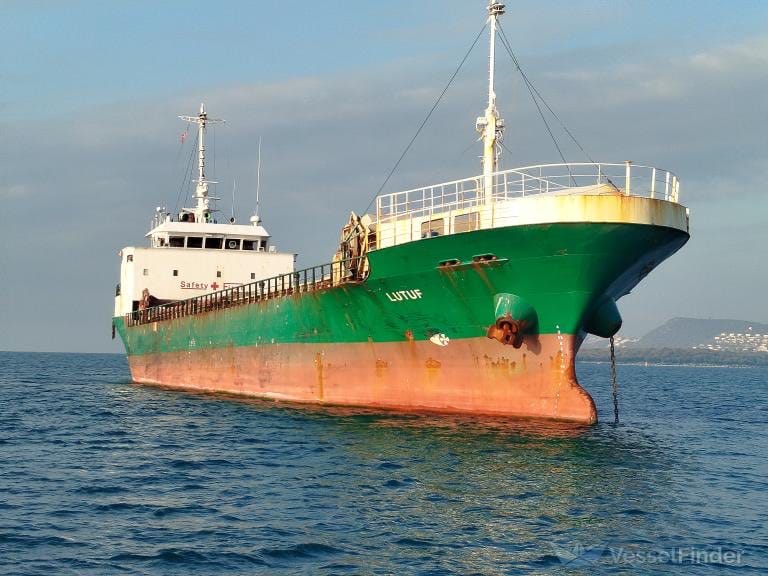
The hijacking of the small cargo ship Lutuf on August 17, was a story many believed had been relegated to history. Yet the mystery enveloping the vessel—unconfirmed cargo, Turkish officials stonewalling, and reports of missile strikes on nearby skiffs—is no isolated anomaly. It is the clearest signal yet of a menace we thought we had conquered: Somali piracy is back, and it is flourishing in the power vacuum carved by a world consumed by war.
For years, international naval patrols kept the pirates at bay. Then came the Iran-Israel conflict in early 2026, and the strategic calculus shifted overnight. As Western warships redeployed to the Red Sea and the Persian Gulf to counter missile and drone barrages, the once-heavily patrolled waters off the Horn of Africa became a de facto defensive vacuum. The pirates, ever opportunistic, wasted no time. In the past week alone, they have seized two vessels, bringing the total number of ships held for ransom to six—a stark reminder that vigilance, once relaxed, is not easily restored.
The Lutuf affair, however, raises the stakes far beyond mere ransom. Persistent but unconfirmed reports that the ship was carrying Turkish military equipment—claims Ankara has neither denied nor confirmed—suggest the pirates may now be hunting not just lucrative cargo, but strategically sensitive assets. Add to this the murky accounts of a Turkish warship patrolling nearby and a lethal missile strike on a pirate skiff, and what emerges is not a simple hostage drama but a shadow conflict unfolding in parallel with back-channel negotiations.
Yet behind the geopolitical intrigue lies a tragedy we must not overlook. While the world debates the ship’s cargo, some 90 seafarers remain captive, enduring an unimaginable ordeal. The International Maritime Organization has rightly demanded their immediate and unconditional release, but its appeals echo in a region starved of international attention. On the tanker Honour 25, hijacked in April, ten Pakistani sailors and their colleagues have languished for months without adequate food, water, or medicine. Their desperate pleas are a haunting indictment of our collective indifference. As IMO Secretary-General Arsenio Dominguez warned, the piracy threat “has not receded”—and neither should our moral outrage.
To understand this resurgence, one must look beyond the regional war to Somalia’s fractured, impoverished soil. The semi-autonomous region of Puntland—long a piracy incubator—has issued a desperate but valid warning against paying any ransom, arguing that doing so would “inevitably fund and encourage a new and dangerous wave” of attacks. It is a plea born of grim experience. In towns like Harardhere, the infamous “Pirate Stock Exchange” still operates, where locals invest in hijackings as if betting on a volatile commodity. Every dollar paid—whether for the Lutuf or the $3 million demanded for the Honour 25—capitalizes this grim economy and ensures its survival.
The return of Somali piracy is not a footnote to history; it is a damning verdict on our collective failure. It is a crisis forged in geopolitical chaos and sustained by human desperation. The pirates will not vanish of their own accord. Only a concerted international effort—combining robust naval deterrence with genuine investment in Somali livelihoods—can break the cycle. But as long as the world’s gaze is fixed elsewhere, the pirates of Puntland will continue to hold the global shipping industry, and innocent seafarers, to ransom.