


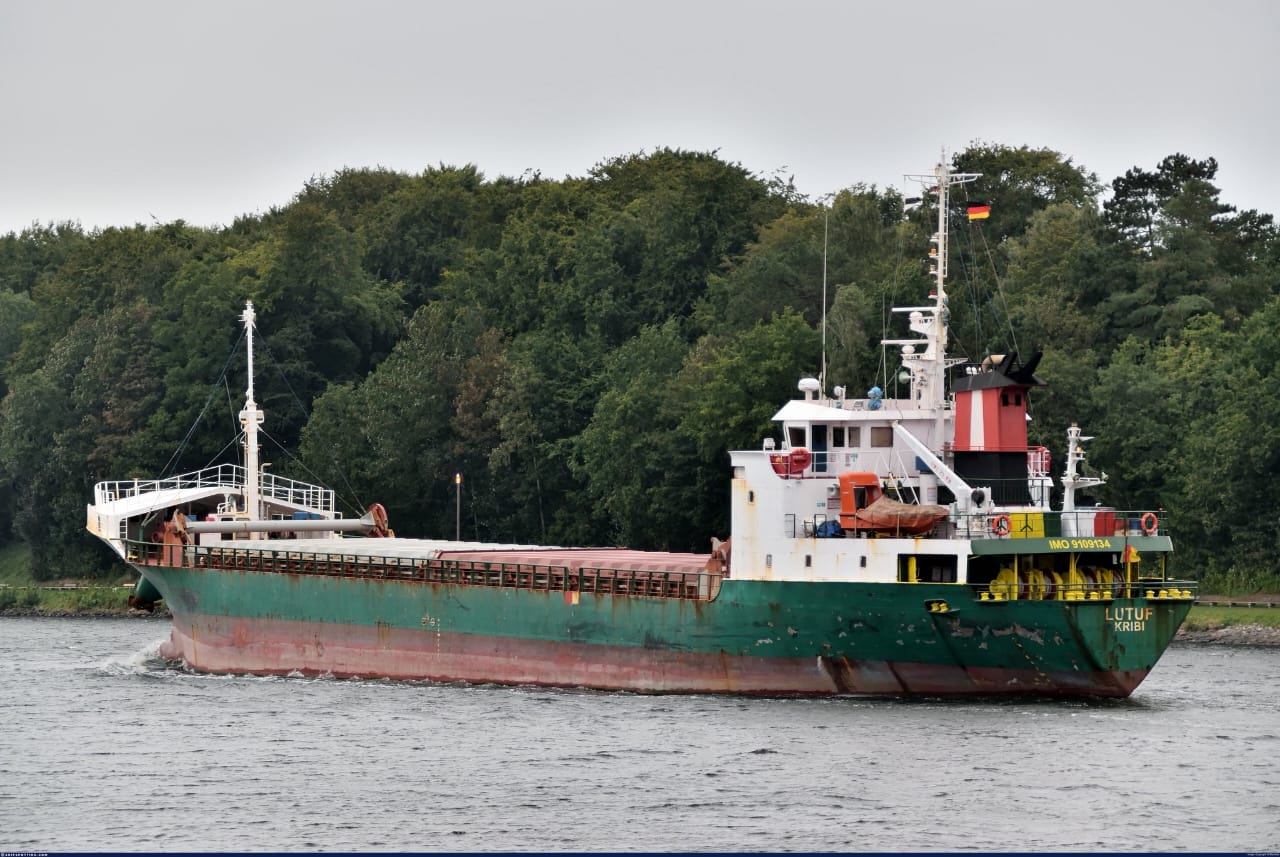
The release of the cargo ship MV Lutuf on August 29 should have been a moment of relief. Instead, it has become a flashpoint in a growing crisis, exposing the fractured politics of Somalia and the dangerous return of a ransom-driven piracy economy . The fog of war surrounding this vessel has now cleared enough to reveal a troubling truth: the payment of a ransom—allegedly involving high-level mediation—has likely done more to empower pirates than any military operation could deter .
The official narrative from Mogadishu and Ankara was swift and decisive: a joint military operation had freed the vessel, with 14 pirates killed . Yet, this account was almost immediately dismantled by authorities in Puntland, the semi-autonomous region where the piracy originates. They assert, with a damning degree of specificity, that they monitored telephone communications between federal officials and the pirates, acting as intermediaries to facilitate a ransom payment . Puntland has condemned this as a “serious mistake” that “threatens the collective efforts to combat piracy” . While the federal government denies this, the regional administration’s warning is rooted in grim precedent.
The circumstances leading to the Lutuf’s capture on August 17 were already highly volatile . The vessel was reportedly carrying weapons, communications, and satellite equipment destined for Turkey’s military training facility in Mogadishu . This turned a simple hijacking into a high-stakes geopolitical incident. The subsequent, still-unclaimed airstrikes along the Puntland coast on August 18 and 23—which Puntland and locals allege were carried out by Turkish forces and killed at least 13 people, many identified as fishermen—added a tragic layer of complexity . Whether these strikes were meant to prevent the sensitive cargo from falling into the wrong hands or to disrupt pirate resupply lines, they have deepened the rift between Mogadishu and Puntland and inflamed local sentiment .
This is not an isolated event. The Lutuf is the sixth vessel to be seized since April, marking a resurgence not seen in over a decade . The conditions fueling this comeback are clear. The Iran-Israel conflict has drawn critical naval assets away from the Horn of Africa, creating a “defensive vacuum” that pirates are exploiting . The US-Iran war has simultaneously disrupted other illicit economies and driven up food and fuel prices, making coastal communities more susceptible to the lure of criminal syndicates .
The decision to pay a ransom for the Lutuf, regardless of the justification to save the 10 crew members or secure military cargo, has broken a critical deterrent . Puntland officials have long warned that paying ransoms would “inevitably fund and encourage a new and dangerous wave of armed piracy” . This warning was prescient. By injecting millions back into the pirate economy, we have signaled that the enterprise is once again viable and profitable. We have not just negotiated with terrorists; we have provided them with venture capital for their next attack.
This leaves the international community and regional actors with a stark choice. We can continue to react to each hijacking as an isolated incident, potentially paying ransoms that fuel the cycle, or we can confront the deeper governance and security failures that allow piracy to thrive. The European Union’s Operation Atalanta and the Combined Maritime Forces are still present, but their limited assets cannot patrol a vast ocean indefinitely without a renewed, cohesive political strategy . The governance architecture that once successfully suppressed piracy, including the UN Security Council mandate, has been allowed to atrophy .
As long as the ransom economy is allowed to flourish and the international community’s attention is split by larger conflicts, the pirates of Puntland will remain a persistent and dangerous threat. The release of the Lutuf is not an ending; it is the opening chapter of a new, more complex and dangerous era in Somali piracy.