


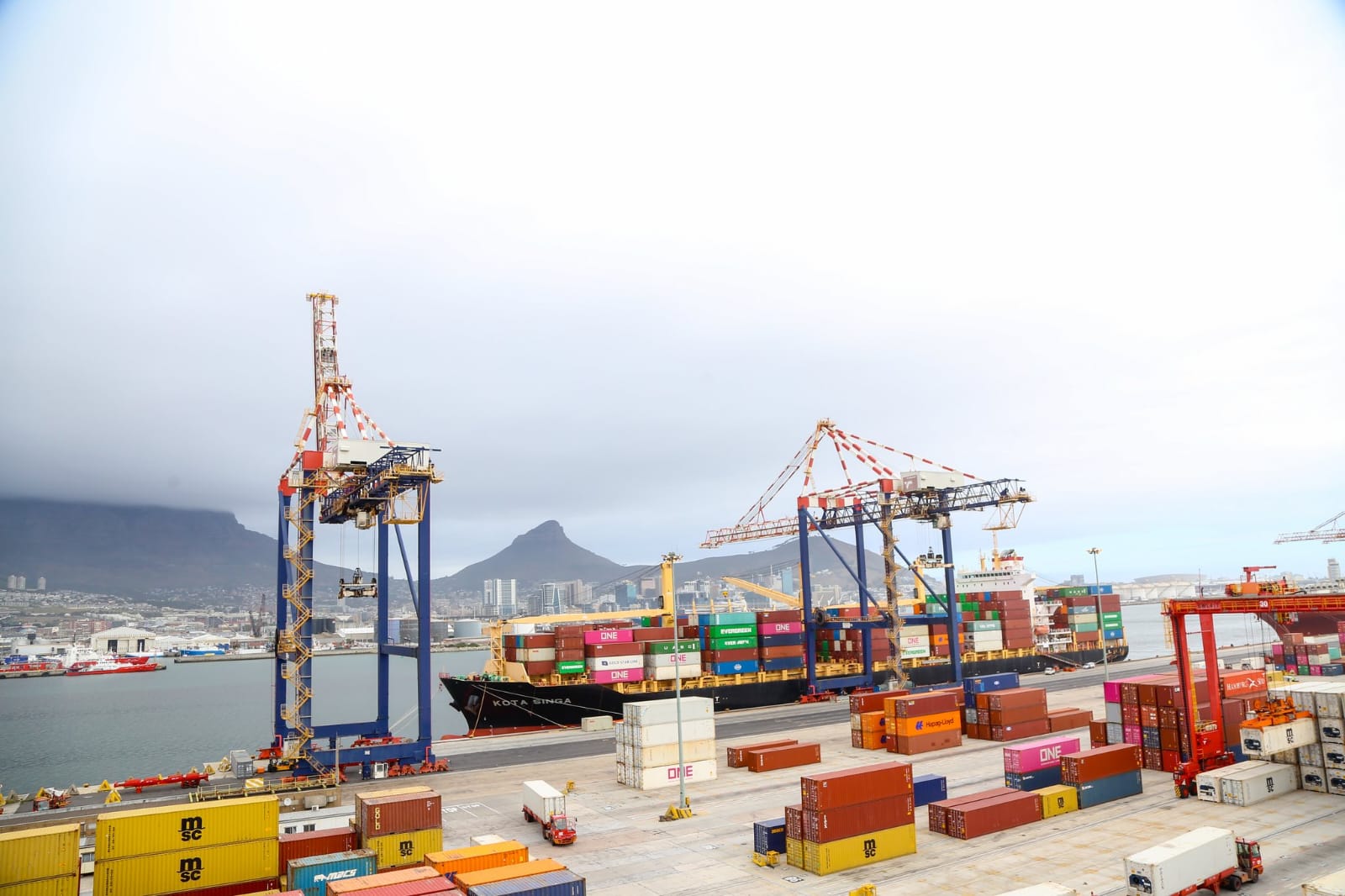
Moving freight roughly 3,000 kilometers from the Port of Durban to destinations in the Democratic Republic of Congo—whether the Copperbelt mining hubs around Kolwezi and Lubumbashi or broader Kinshasa-linked supply chains—exposes a hard truth about African logistics. What should be a routine commercial operation remains an odyssey of borders, delays, cost overruns, and risk. It is a vivid illustration of why intra-African trade stays stubbornly low and why the continent’s critical minerals and consumer markets cannot fully power inclusive growth.
Durban remains one of Southern Africa’s premier gateways, handling substantial volumes of mining equipment, machinery, construction materials, fuel, FMCG, and other goods bound for the DRC’s vast market and resource-rich south. Road freight via the North-South Corridor—typically through Zimbabwe or Botswana into Zambia and across at Kasumbalesa—is the dominant mode for much of this traffic. Real-world project cargo examples, such as the movement of heavy dump trucks (around 47 tons each, totaling hundreds of tons) over nearly 2,900–3,000 km from Durban to Kolwezi, show that determined operators with strong local networks can deliver. Specialized transporters secure abnormal-load permits, coordinate Bureau Veritas inspections, manage multi-country documentation, and navigate rough terrain and three national borders. Convoys can depart on schedule and arrive within customer deadlines when expertise and supplier networks align.
Yet these successes are the exception that proves the rule. Average transit and clearance times along key segments of the corridor remain painfully long—studies have recorded figures around 15 days just to move cargo northward toward Zambia, with total Durban-to-Copperbelt road trips frequently stretching to 25 days or more one way, and round trips far longer. Border posts such as Beitbridge and Chirundu are notorious chokepoints. Documentation requirements multiply across jurisdictions: commercial invoices, packing lists, SAD 500 export declarations, transit bonds, certificates of origin, pre-shipment inspections, and DRC-specific licenses. Poor road conditions, security concerns, and capacity constraints compound the friction. The economic cost is steep—higher landed prices for everything from mining spares to consumer goods, inventory tied up for weeks, and reduced competitiveness for African producers.
The geography itself is unforgiving. Straight-line distances are shorter, but practical road routes from Durban to Kinshasa stretch far beyond 3,000 km—closer to 4,800 km in some calculations—while the Copperbelt sits nearer the 3,000 km mark. For landlocked mining regions that supply a huge share of the world’s cobalt and significant copper, reliance on a single long southern route creates concentration risk. Congestion at Durban, weather, or political friction anywhere along the chain can cascade into missed project deadlines and balance-sheet pain.
This is not merely an operational inconvenience. It is a structural barrier to the African Continental Free Trade Area (AfCFTA) and deeper SADC integration. Intra-African trade remains a fraction of what the continent’s market size and complementary economies should support. High logistics costs act as a hidden tariff, punishing the very manufacturers, agro-processors, and miners that could drive job creation and value addition. For the energy transition, the stakes are global: reliable, lower-cost evacuation of DRC and Zambian minerals matters to battery and renewable supply chains worldwide. When a truck round-trip to Durban can consume 35–40 days or more, alternative corridors become strategic imperatives rather than nice-to-haves.
Promising alternatives are emerging, though none is yet a complete substitute. The Lobito Corridor through Angola offers a dramatically shorter path from the Copperbelt—on the order of 1,300–1,600 km with fewer borders—potentially cutting one-way road times from weeks to days and delivering meaningful cost reductions as rail and port capacity scale. Eastward options via Dar es Salaam (including the rehabilitated TAZARA railway) and other ports such as Beira, Walvis Bay, and Nacala are already diversifying flows. Rail, when functional, can move the equivalent of dozens of trucks with lower emissions and fewer border stops. Multimodal solutions—sea to a nearer port plus shorter road or rail legs—are increasingly practical for both project cargo and general freight.
These shifts are not automatic. They require coordinated investment in hard infrastructure (roads, rail, ports, border facilities), soft infrastructure (single transit guarantees, electronic tracking, mutual recognition of documents, one-stop border posts that actually function), and political will to reduce non-tariff barriers. Corridor management agencies, regional electronic cargo tracking, and the full operationalization of frameworks such as SADC’s Regional Customs Transit Guarantee can cut idle time at borders. Private operators already demonstrate that local expertise and integrated project control can overcome terrain and bureaucracy; the public sector must match that agility with predictable rules and maintained assets.
Security and governance cannot be ignored. Long road hauls expose cargo to risks that raise insurance costs and deter some shippers. Sustained improvements in road safety, policing of key routes, and transparent border administration are essential. Climate resilience also matters—floods and poor drainage routinely disrupt southern African corridors.
The broader opportunity is clear. Efficient corridors would lower the cost of living and doing business across the region, strengthen the DRC’s links to Southern African markets, and help convert mineral wealth into broader development rather than enclave extraction. They would support manufacturing and agro-processing by making inputs and outputs move more cheaply and predictably. For South Africa, a more competitive Durban and better inland connections preserve its role as a logistics hub even as new Atlantic and Indian Ocean routes gain share. For the DRC, reduced dependence on any single long corridor enhances sovereignty over its trade routes.
The framing of a 3,000 km freight movement from Durban toward Kinshasa—or the practical equivalents serving DRC demand—is therefore more than a logistics anecdote. It is a diagnostic of Africa’s integration gap. Celebrating successful heavy-haul deliveries is warranted; they showcase African operational capability under difficult conditions. But the larger task is systemic: treating corridors as strategic public goods that unlock private investment and regional value chains.
Policymakers, development financiers, and the private sector should accelerate three priorities. First, prioritize high-impact border and road upgrades on the North-South Corridor while scaling Lobito and eastern alternatives in parallel. Second, digitize and harmonize transit procedures so that a single reliable guarantee and electronic tracking can replace repeated paperwork and inspections. Third, align mineral-export logistics with industrial policy so that shorter, cheaper routes also support local processing and job creation rather than pure extraction.
Until the 3,000 km journey becomes routinely shorter, cheaper, and more predictable, Africa will continue to pay a heavy logistics tax on its own growth. The freight is moving. The question is whether the continent’s institutions and infrastructure will finally catch up to the ambition of its markets.
Andrew Mwangura is a maritime and logistics analyst.