


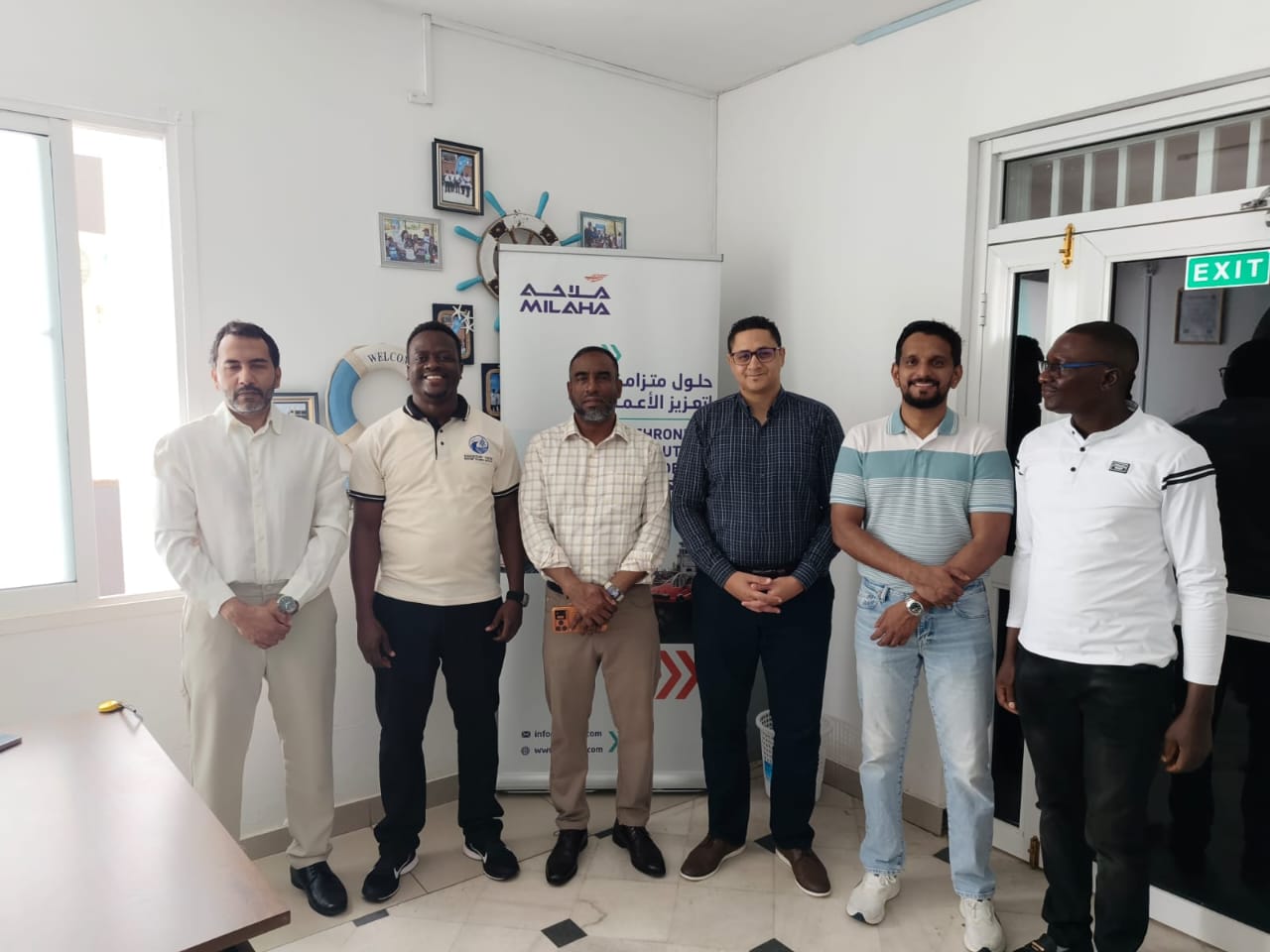
Today, at the Harbour View in Mombasa, the Chairman of the Seafarers Union of Kenya is hosting representatives from Milaha Qatar for a recruitment exercise targeting Kenyan seafarers. On the surface, it is a welcome and practical step: a major Middle Eastern maritime and logistics company coming to the Coast to source talent. In reality, the event crystallises both the promise and the persistent gaps in Kenya’s drive to turn its seafarers into a competitive export of skilled labour.
Milaha (Qatar Navigation) is no minor player. Founded in 1957 as Qatar’s first public shareholding company, it has grown into one of the Middle East’s largest and most diversified maritime and logistics groups. Its operations span ocean transport, offshore support vessels, gas and petrochemical shipping, port services, shipyard work, and integrated supply-chain solutions. For Kenyan ratings, able seamen, officers, engineers, and support staff, employment with such a company can mean structured contracts, internationally recognised standards, and earnings that far exceed many domestic alternatives—a stark contrast to the chronic under-employment that has long plagued the local seafaring community.
Kenya has spent years talking about the blue economy. Official rhetoric correctly identifies seafaring as a high-potential avenue for youth employment and foreign exchange. Mutual recognition agreements with registries such as Panama, Liberia, and Singapore; the push for Seafarer Identity Documents (SIDs); the operationalisation of the Seafarers Wages Council; and successive efforts to unify fractured seafarer organisations all point in the same direction: positioning Kenya as a serious labour-supplying nation in a global industry facing projected officer shortages. Recent bilateral labour mobility understandings with Qatar itself further signal political will. A recruitment exercise hosted by the Seafarers Union of Kenya therefore fits the narrative of progress.
Yet the very need for such an event underscores unfinished business. Of the thousands of Kenyans registered as seafarers, a large share remain unemployed or under-employed despite holding STCW certifications. Training capacity has expanded—with Bandari Maritime Academy, private institutes like Harbour View, and other accredited centres producing graduates—but sea-time opportunities, seamless placement systems, and consistent enforcement of standards have lagged. Fragmented representation, historical internal union disputes, and the lingering shadow of exploitative recruitment practices (particularly in Gulf labour markets) have diluted bargaining power and left many vulnerable. When a reputable company like Milaha arrives, the question is not merely how many will be hired, but whether the process will be transparent, whether contracts will meet Maritime Labour Convention standards, and whether the union’s hosting role will translate into genuine oversight rather than ceremonial facilitation.
The location is telling. Harbour View is both a training institute and a physical node in Mombasa’s maritime ecosystem. Bringing recruiters there links certification pipelines directly to employment channels—an efficient model if executed properly. It also places the exercise under the gaze of the local seafaring community, rather than in opaque hotel conference rooms or distant agency offices. That visibility matters. Kenyan seafarers have repeatedly raised concerns about unpaid wages, abandonment, and substandard conditions on some foreign vessels. A union-hosted process with a major corporate partner creates an opportunity to insist on clear terms: medical fitness, proper certificates of competency, fair wages, defined leave cycles, repatriation guarantees, and accessible grievance mechanisms.
There are broader strategic dimensions. Successful placements with Milaha can generate positive demonstration effects. Kenyan crew who perform well strengthen the country’s reputation, opening doors with other Gulf and international operators. Remittances and skills transfer—including exposure to modern offshore and logistics practices—feed back into the domestic economy. At the same time, over-reliance on overseas recruitment without parallel growth in Kenya’s own commercial fleet or coastal shipping leaves the sector structurally dependent. Calls by seafarer leaders for investment in actual vessels, not just training and ferry services, remain relevant. Exporting labour is useful; building a maritime industry that retains and multiplies that labour at home is more transformative.
Risks must be acknowledged candidly. Qatar and other Gulf states have complex labour environments. Past episodes of Kenyan workers stranded or underpaid have damaged trust. Any recruitment drive, however well-intentioned, must be accompanied by rigorous screening of contracts, pre-departure briefings, and ongoing monitoring by the Kenya Maritime Authority and the union. Charging recruitment fees is illegal; seafarers should only bear legitimate costs such as medicals and documentation. The Seafarers Union of Kenya’s role as host places a particular responsibility on its leadership to prioritise member protection over numbers placed.
Today’s exercise at Harbour View should therefore be judged not by the photo opportunities or the immediate headcount, but by what follows: the quality of the contracts signed, the support provided to those who sail, the feedback loop into local training curricula, and the degree to which it accelerates systemic reforms—unified advocacy, faster SID issuance, credible placement agents, and genuine enforcement of labour standards. Kenya has the coastline, the training institutions, and a growing cadre of certified seafarers. What it still needs is consistent institutional delivery that matches the ambition of its blue-economy rhetoric.
If the Milaha recruitment becomes one more isolated event, it will merely paper over structural weaknesses. If it becomes a model of transparent, rights-respecting placement that feeds into broader capability-building, it can help move Kenya from aspirational talk toward a more reliable position in the global maritime labour market. The seafarers waiting at Harbour View today deserve the latter. The country’s long-term maritime interests demand it.