


The Gulf of Aden is haunted once more by the skiff and the RPG. After nearly a decade of relative calm, Somali pirate networks have reasserted themselves with a speed and reach that should alarm every shipping company, cruise operator, insurer, and government with a stake in the Western Indian Ocean. Six commercial vessels seized since late April. Over 90 seafarers held captive. Motherships operating more than 1,000 nautical miles from the coast. Armed attacks are becoming routine again, not just along the International Recommended Transit Corridor (IRTC), but deep into the Somali Basin.
For the cruise industry, the stakes are existential. A formal return to a High Risk Area (HRA) designation would trigger insurance spikes, mandatory armed guards, route diversions, and a wave of passenger cancellations. Luxury liners do not thrive in zones where crews lock themselves in citadels and passengers are ordered to black out cabin lights. An industry that once marketed the Indian Ocean as an exotic, secure alternative to the Mediterranean would see that market evaporate.
The question is no longer whether the threat is real. It is whether the international community still possesses the will to reverse it completely—or whether we will settle for managing a chronic crisis that periodically flares into catastrophe.
The Anatomy of a Resurgence
This is not a simple replay of 2008–2012. The current spike is opportunistic, exploiting a perfect storm of diverted attention. Naval assets that once maintained a credible deterrent off the Horn of Africa have been pulled toward the Red Sea and the Strait of Hormuz to counter Houthi and Iranian-linked threats. Commercial vessels, lulled by years of quiet, have relaxed Best Management Practices. Political fragmentation in Somalia—particularly the fraught relationship between Mogadishu and Puntland—has created space for pirate action groups to reorganize around familiar strongholds like Garacad and Eyl. Unconfirmed reports of external facilitation only deepen the complexity.
The data is unambiguous. Reporting from the International Maritime Bureau and the IMO shows a more-than-tripling of incidents in the first half of 2026 compared with the previous year. Hijacked dhows are once again serving as motherships, extending the pirates’ operational envelope far beyond the traditional coastal belt. Ransom demands have reached multimillion-dollar levels, creating a dangerous financial incentive structure. The lesson of the last decade has been ignored: suppression is not eradication. Gains that depend on continuous external pressure erode the moment that pressure is relaxed.
A Cautionary Precedent: When the Seabourn Spirit Never Reached Mombasa
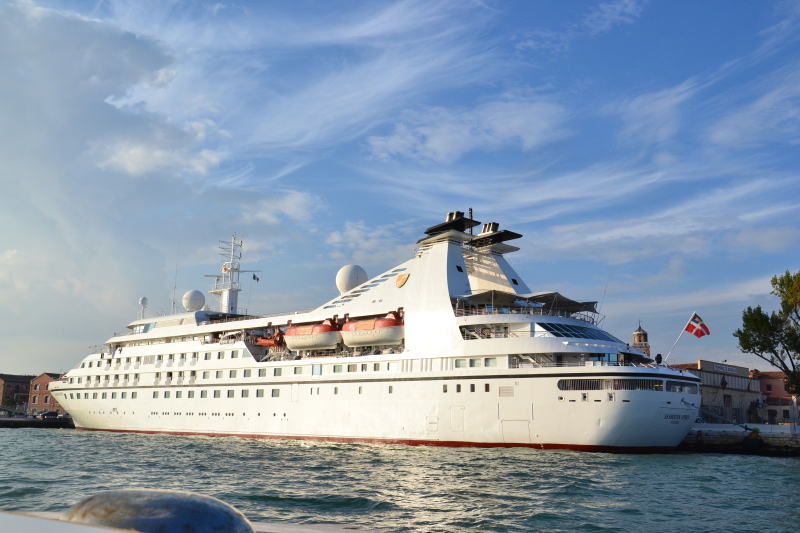
History already offers a stark illustration of the damage a single high-profile attack can inflict on Kenya’s tourism industry. On the morning of 5 November 2005, the luxury cruise ship Seabourn Spirit was approximately 70–100 nautical miles off the Somali coast, underway from Alexandria, Egypt, to Mombasa. Two small boats carrying heavily armed men approached and opened fire with automatic weapons and rocket-propelled grenades. One RPG penetrated a passenger cabin. Using speed, evasive manoeuvres, and a long-range acoustic device, the ship repelled the attackers and escaped.
The planned call at Mombasa was cancelled. Instead of disembarking high-spending passengers for beach stays, safaris, and local shopping, the vessel diverted to the Seychelles. Berth No. 1 at Mombasa port stood empty. Local hotels, tour operators, taxi drivers, and artisans lost an influx of visitors who had paid thousands for the voyage and were prepared to spend more ashore.
That single incident helped crystallise a broader collapse. Cruise calls at Mombasa plummeted. From 15 vessels carrying over 12,000 visitors in 2004, arrivals dropped to just four vessels and roughly 500 passengers by 2010. For a decade, cruise tourism to Kenya’s coast was effectively dormant. The perception of insecurity—already strained by other regional threats—became self-reinforcing. International operators simply rerouted or cancelled East African itineraries. Analyses later linked the piracy surge to measurable declines in tourism across affected East African coastal countries.
Kenya has worked hard to reverse that damage. New cruise terminal infrastructure, electronic travel authorisations, and marketing efforts have begun to restore confidence, with passenger numbers rising sharply in 2024. Yet the Seabourn Spirit episode remains a vivid reminder: one successful attack on a passenger vessel can erase years of recovery overnight. A renewed HRA designation, or even a sustained pattern of attacks, would once again empty Mombasa’s berths and starve the coastal economy of high-value visitors.
What Worked Before—and Why It Matters Now
Between 2009 and 2012, a rare combination of measures broke the back of industrial-scale Somali piracy. Multinational naval task forces provided persistent presence. Shipping companies adopted rigorous Best Management Practices: higher speeds, enhanced lookouts, citadels, razor wire, and the widespread embarkation of privately contracted armed security teams. Prosecutions, though imperfect, removed some operators from the cycle. Limited shore-based disruption and capacity-building under the Djibouti Code of Conduct began to address the landward ecosystem.
None of these elements was sufficient alone. Together, they raised the cost and risk of a successful hijacking to the point that it became unprofitable. The same logic applies today.
The Necessary Steps for a Complete Reversal
First, restore a credible naval deterrent. A consistent, visible presence focused on the Gulf of Aden, Somali Basin, and Western Indian Ocean is non-negotiable. Intelligence-driven patrols and rapid response capabilities must be prioritised, and group transit arrangements through the IRTC must be revitalised.
Second, industry must reimpose discipline. Full compliance with current Best Management Practices is essential. Risk assessments, registration with UKMTO and MSCHOA, physical hardening, and the prudent use of armed security teams must become standard again. Cruise operators face a higher bar: robust passenger safety protocols, real-time coordination with naval forces, and transparent communication with travellers.
Third, attack the problem on land. Pirate networks require boats, fuel, weapons, safe havens, and financiers. Targeted disruption of these logistics nodes and leadership—conducted with Somali consent where possible—is essential. Parallel investment in Somali coast-guard and port-security capacity offers the only path to sustainable local ownership.
Fourth, revitalise regional frameworks. The Djibouti Code of Conduct and its Jeddah Amendment provide the institutional architecture. Information sharing, legislative harmonisation, training, and joint operations need renewed commitment, and prosecution pathways must remain open.
Finally, resist declaring victory at the first lull. Success should be measured by clear metrics: sustained zero successful merchant hijackings, the dismantling of known action groups, and measurable improvement in Somali maritime governance.
A Choice, Not a Destiny
The return of Somali piracy is the predictable result of diverted resources, relaxed commercial practices, and insufficient attention to the landward drivers of the problem. The tools that worked before remain available. What is missing is the sustained political will to use them in combination and over time.
For the cruise industry, the window is narrow. A single successful boarding or prolonged hostage situation involving a passenger vessel would produce catastrophic reputational damage. Kenya’s coastal economy, still rebuilding its cruise segment, cannot afford another decade of empty berths. The industry can harden vessels and coordinate with militaries. It cannot police the Somali coast or fix the political fractures that allow pirate networks to regenerate. That requires states.
If governments and industry treat this as a temporary inconvenience, the High Risk Area will return in form if not in name. Cruise tourism in these waters will wither. Mombasa’s port will once again stand empty of passenger liners. Broader commercial shipping will absorb higher costs that ultimately fall on consumers and global supply chains. And the message to other maritime criminals will be clear: patience is rewarded.
The alternative is harder but achievable. Recommit the necessary naval presence. Reimpose rigorous protective practices. Disrupt the networks ashore. Build Somali capacity. Maintain the effort beyond the next news cycle.
The waters of the Gulf of Aden and the Western Indian Ocean can again become secure for commerce and tourism. Whether they do depends less on the ingenuity of pirates than on the resolve of those who claim to value free navigation—and who remember what happened the last time a luxury cruise ship bound for Mombasa never arrived.