


The Strait of Hormuz has long punched above its geographic weight. As one of the world’s most critical maritime arteries, this narrow waterway carries roughly a fifth of global oil and significant volumes of liquefied natural gas (LNG). When it becomes unstable—as it has for much of 2026 amid sustained tensions, attacks on shipping, and severely restricted commercial traffic—the effects do not stop at the Gulf. They cascade across oceans, inflate costs, scramble routes, and test the economic resilience of continents far from the front lines. Africa is squarely in the impact zone.
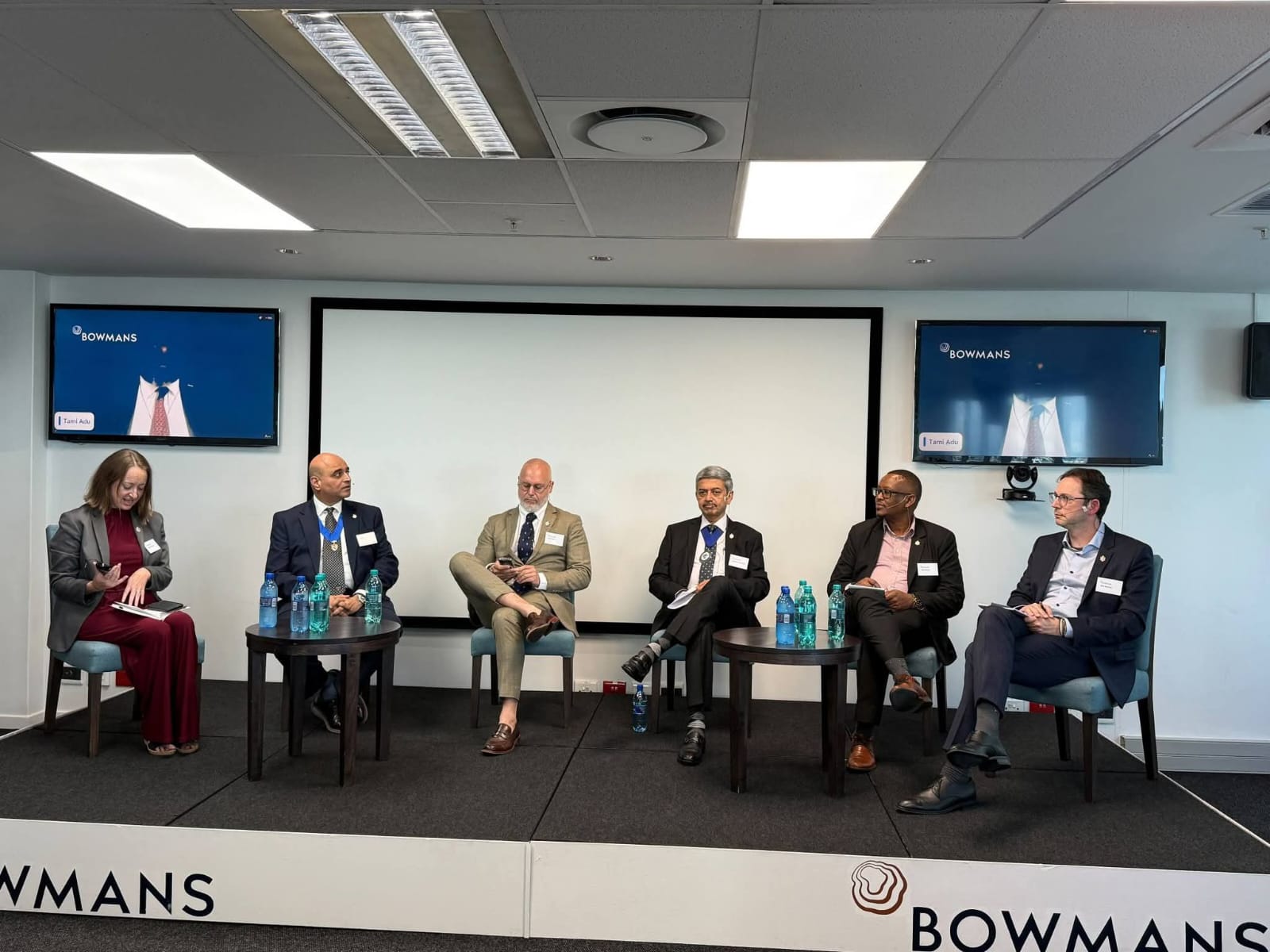
This reality was front and center in a recent panel discussion hosted by Bowmans and the Institute of Chartered Shipbrokers (ICS). Elijah Mbaru, CEO of the Kenya Ship Agents Association, joined fellow experts to unpack how supply-chain bottlenecks, freight spikes, and energy volatility originating in the Middle East translate into tangible pressures on African markets. The conversation was timely. As of early November 2026, AIS-visible commercial traffic through the Strait has hovered around 10 percent of pre-crisis levels, with oil flows well below historical norms, war-risk premiums elevated, and vessels frequently operating under naval coordination or facing selective access and extreme risk.
The panel’s key takeaways offer a clear framework for understanding—and responding to—the challenge.
Energy Vulnerability Hits Net Importers Hardest
Sudden fluctuations in oil and gas transit through Hormuz immediately pressure African net oil-importing nations. Higher crude and product prices, compounded by elevated freight and insurance, feed directly into domestic fuel costs, inflation, and fiscal strain from subsidies or price-stabilization measures. Kenya has already adjusted retail fuel prices upward in response to higher import costs linked to the conflict, while extending temporary VAT relief to cushion consumers. Similar dynamics are playing out across East, Southern, and West Africa.
Even oil-producing countries are not fully insulated. Many export crude but import refined products due to limited domestic refining capacity. The result is a double exposure: potential revenue gains on the export side can be offset by higher costs for the fuels that power transport, agriculture, and industry. Fertilizer supply chains, heavily dependent on Gulf nitrogen products, have also been disrupted, raising input costs for farmers and feeding into food-price pressures. For households that already spend a large share of their income on food and energy, the pass-through is painful and politically sensitive.
Maritime Routes Are Shifting—and Africa Is on the New Map
Increased risk premiums and uncertainty in the Middle East have altered shipping lanes. The Cape of Good Hope and selected African ports have emerged as critical, high-demand strategic alternatives. Traffic around southern Africa has risen substantially as carriers divert from the Red Sea/Suez and Hormuz corridors, adding 10–14 days and significant extra fuel costs to Asia-Europe and related trades.
This rerouting is not purely a burden. It has generated opportunities in bunkering, ship services, crew changes, and, in some cases, higher port activity. East African hubs such as Lamu have seen notable throughput gains as transshipment patterns adjust, while certain West and Southern African ports have recorded increased vessel interest. Yet the windfall has been uneven. Many vessels transit rather than call, constrained by port capacity, draft limitations, infrastructure quality, and the economics of established liner networks. Without deliberate investment and policy support, Africa risks remaining a transit corridor rather than becoming a value-capturing hub.
Trade and Logistics Costs Squeeze Consumers and Businesses
Higher insurance premiums—driven by war-risk clauses—and extended transit times raise the landed cost of goods. These costs do not stay at the port gate. They flow through to importers, distributors, and ultimately consumers, eroding purchasing power and squeezing margins for businesses already managing currency volatility and working-capital pressures. Dollar demand for more expensive fuel, freight, and insurance intensifies foreign-exchange constraints in many markets. The cumulative effect is slower growth, tighter fiscal space, and heightened vulnerability for landlocked economies that face additional inland logistics costs.
Legal and Contractual Complexity Adds Another Layer
Shippers, charterers, and agents are navigating an increasingly fraught contractual landscape. Force majeure claims, freight-rate disputes, demurrage battles, compliance questions, and issues of insurability have multiplied. Clearer contractual frameworks, better risk allocation, and stronger regional capacity in maritime law and dispute resolution are essential if African players are to protect their interests rather than simply absorb the fallout.
From Vulnerability to Agency: The Path Forward
The Hormuz crisis is a stress test. It reveals structural weaknesses—over-reliance on imported refined fuels, limited refining and petrochemical capacity, underdeveloped alternative corridors, and insufficient regional coordination on maritime security and logistics. It also highlights opportunities. Diversifying energy sources and processing more value on the continent would reduce exposure to distant chokepoints. Strengthening ports, hinterland connectivity, and bunkering capacity along the Cape route and East African seaboard can convert temporary diversions into lasting commercial advantage. Deepening collaboration across maritime law, logistics, and policy—exactly the spirit of the Bowmans–ICS session—can build more resilient African supply chains.
Mbaru and his fellow panelists underscored a fundamental truth: navigating these geopolitical shifts requires more than reactive adjustments. It demands proactive investment in infrastructure, human capital, regulatory clarity, and regional partnerships. Africa’s economic resilience will not be determined solely by events in the Gulf; it will be shaped by how deliberately the continent turns disruption into diversification and strategic positioning.
The Strait of Hormuz will remain a global flashpoint for the foreseeable future. Africa cannot control the waters of the Gulf. It can, however, control how prepared its ports, policies, and supply chains are when the next wave of volatility arrives. The time to act is now—while the lessons of this crisis are still fresh and the opportunity to build genuine resilience is still open.