


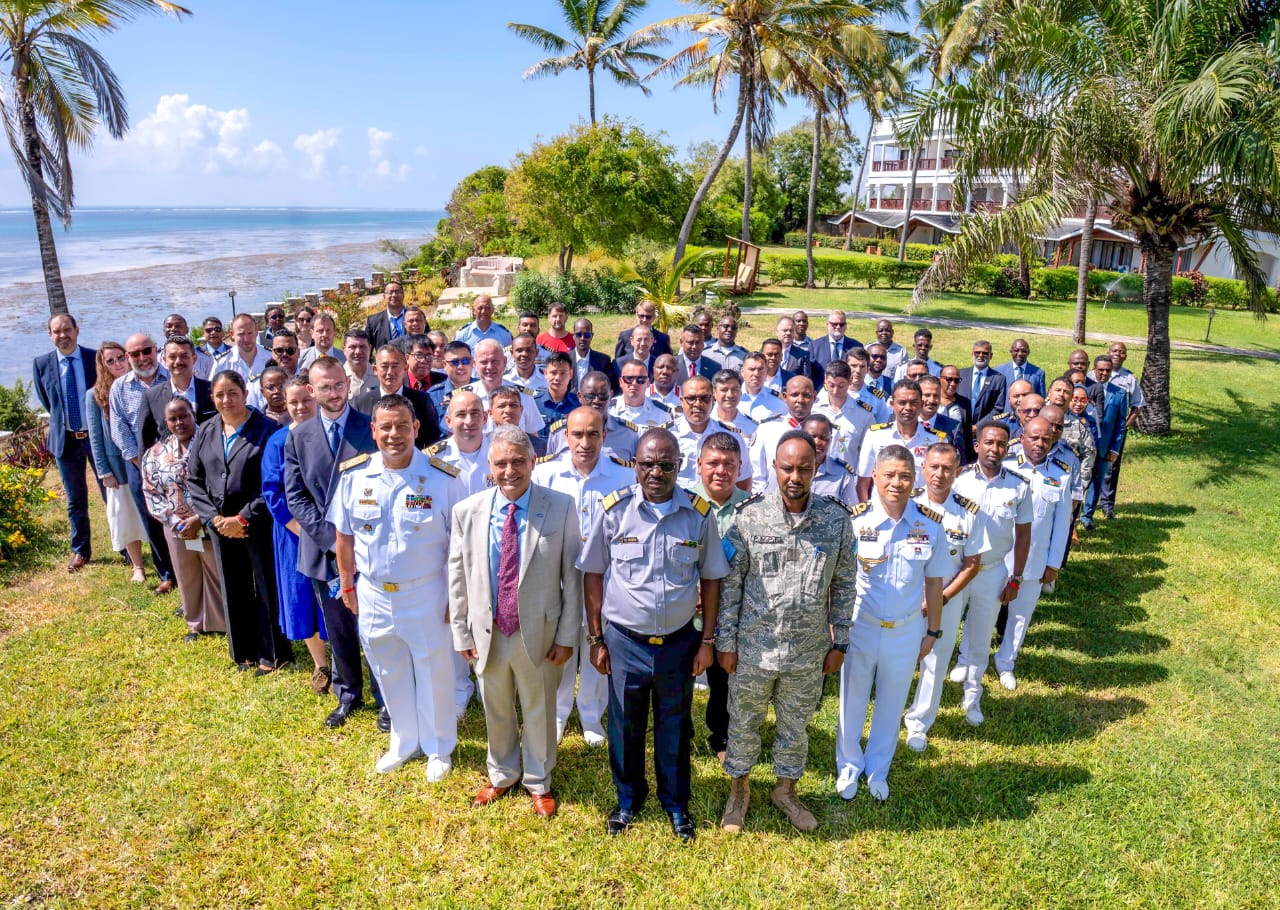
The recent announcement of a new maritime security initiative in Kenya is welcome. It is, on paper, precisely the kind of coordinated, multi-agency approach that the country’s vast and increasingly contested coastline demands. The details, as shared by the relevant authorities, point to a renewed focus on surveillance, inter-agency cooperation, and the protection of critical maritime infrastructure. Yet, as with all such announcements, the gap between the ribbon-cutting and the reality on the water is where the real story lies.
Kenya’s maritime domain is not a peripheral concern. It is the artery of the nation’s trade, with the Port of Mombasa serving as the gateway to East Africa’s landlocked heartland. The coastline is also a frontline in a complex battle against illegal fishing, trafficking, and the persistent, though currently dormant, threat of piracy. The economic stakes are immense, and the human stakes—for coastal communities whose livelihoods depend on healthy fisheries—are equally high.
The new initiative, if it is to be more than a press release, must confront several hard truths.
First, surveillance is only as good as the response it triggers. A common picture of the maritime domain, built through platforms like IORIS, is a necessary precondition for action, but it is not action itself. The region has no shortage of information-sharing mechanisms. The critical gap is the rapid, coordinated deployment of assets—patrol vessels, aircraft, and boarding teams—to intercept a threat identified on a screen. Kenya’s navy and coast guard have made strides, but the capacity to maintain a persistent presence across the exclusive economic zone remains constrained. The new initiative must be judged by whether it leads to more interceptions, more arrests, and more prosecutions, not merely more meetings.
Second, the blue economy cannot be secured by state actors alone. The fisherfolk of the Kenyan coast are the eyes and ears of the maritime domain. The integration of local communities into surveillance efforts, through initiatives like the Usalama Baharini mobile application, is a smart and cost-effective force multiplier. However, these efforts must be genuine partnerships, not extractive data collection. Communities must see tangible benefits: safer fishing grounds, protection from foreign trawlers, and a share in the economic value of their marine resources. Without this social contract, community-based surveillance is unsustainable.
Third, the legal and judicial framework must keep pace. Maritime crime is transnational and often complex. The successful interdiction of a vessel carrying illicit cargo is only the first step. The subsequent legal process—evidence gathering, prosecution, and conviction—can be slow and fraught with jurisdictional challenges. Kenya has made progress in developing its maritime legal framework, but the enforcement of laws against IUU fishing, in particular, requires sustained political will and regional cooperation. The new initiative must include a clear plan for strengthening the judicial chain, not just the enforcement chain.
Finally, sustainability of the initiative itself is the perennial question. Donor-funded projects have a shelf life. The shift from a project to a permanently funded, nationally owned system is the hardest part of any maritime security reform. Kenya’s commitment to its own security architecture, backed by predictable budgetary allocations, will be the ultimate test of its seriousness.
The new initiative is a step in the right direction. It signals awareness and intent. But the maritime domain does not reward good intentions; it rewards consistent, well-resourced, and coordinated action. The seas off Kenya’s coast are a shared commons. Securing them is not a luxury; it is an economic and strategic necessity.
The announcement has been made. The harder work of execution now begins.