


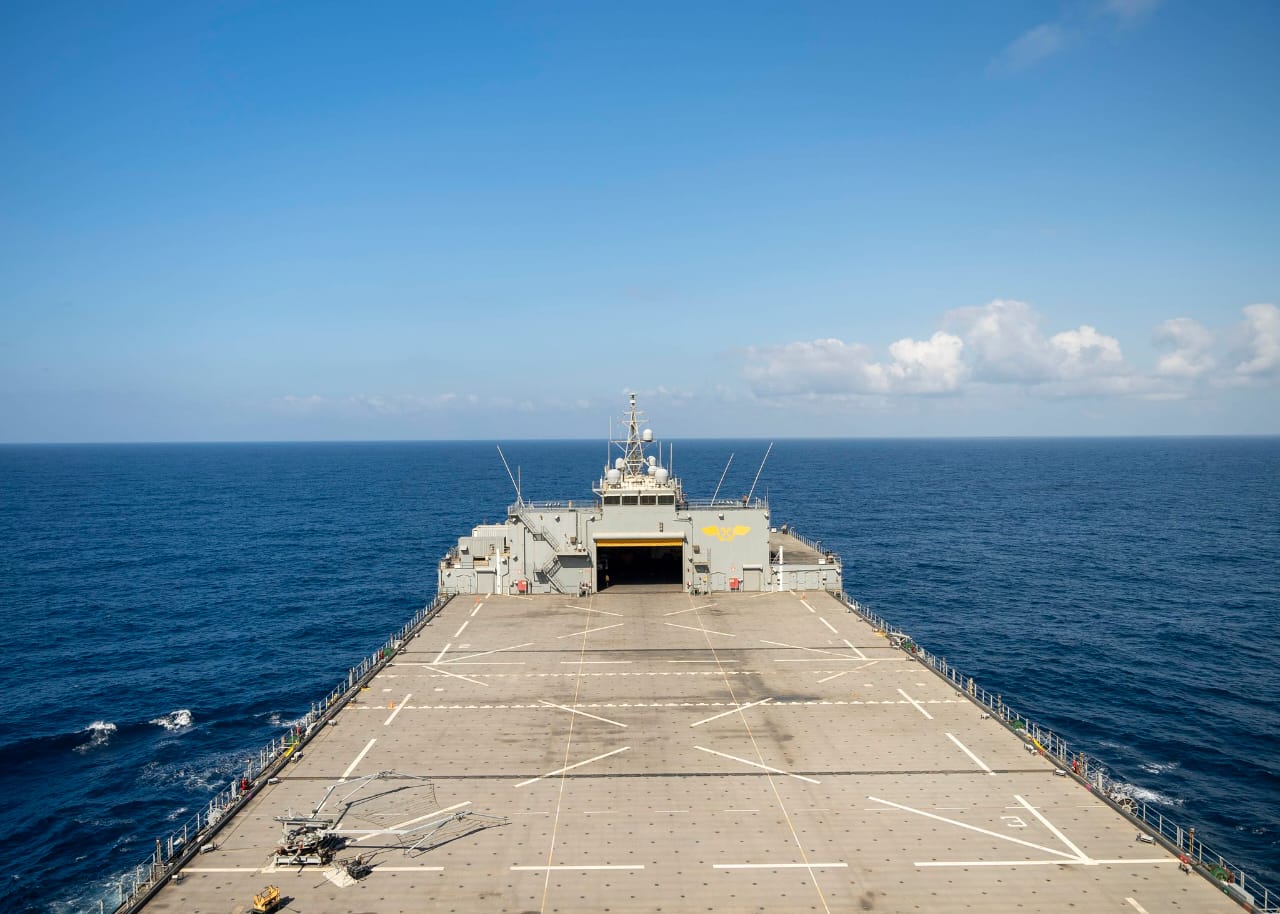
The United States has issued a pointed warning: Islamic State-linked insurgents in Mozambique are expanding their maritime capabilities—including piracy—and the Mozambique Channel, one of the world’s critical shipping arteries, is at risk. Lt. Gen. John W. Brennan, Deputy Commander of U.S. Africa Command, delivered the assessment during a recent briefing, noting the group’s growing capacity to operate at sea and the “noteworthy” recent piracy incidents off the Mozambican coast. Washington is pushing for deeper security cooperation with Mozambique and regional partners to protect the route and the multibillion-dollar liquefied natural gas projects that could transform the country’s economy.
This is not abstract geopolitics. It is a concrete threat to global trade, African development, and the long-term containment of a terrorist network that has repeatedly reinvented itself after territorial losses in Iraq and Syria.
The Strategic Stakes of the Mozambique Channel
The Mozambique Channel is no minor waterway. It funnels significant volumes of international shipping and commerce between the Indian Ocean and southern African ports. Disruptions here would raise insurance costs, delay energy and commodity shipments, and ripple through global supply chains already strained by conflicts elsewhere. Brennan correctly framed it as “key terrain” that must be protected from “predators like ISIS-Mozambique.”
Equally consequential are the energy investments in Cabo Delgado province. The Afungi LNG projects involving TotalEnergies and ExxonMobil represent tens of billions of dollars. Full operation has the potential to roughly double Mozambique’s GDP in the first year of peak production. After years of force majeure following earlier attacks, construction has restarted. That progress remains fragile. An insurgency that can strike from the sea, interdict coastal logistics, or intimidate workers and communities can still derail the economic transformation Mozambique desperately needs.
How ISIS-Mozambique Reached the Water
ISIS-Mozambique (also known as Ansar al-Sunna or Islamic State Mozambique) emerged from local grievances in Cabo Delgado—marginalization, ethnic tensions, and weak governance—before pledging allegiance to the Islamic State. It has never matched the territorial control of the original caliphate, but it has proven adaptive. After suffering setbacks on land from combined Mozambican, Rwandan, and other forces, the group has shifted toward more mobile, small-cell operations: raids, kidnapping for ransom, and, increasingly, maritime activity.
Reports of boat hijackings, seizures of fishing vessels, and coastal logistics movements illustrate the problem. Weak naval capacity on the Mozambican side has long been a vulnerability. Limited patrol vessels, fuel shortages, and personnel constraints leave large stretches of coastline poorly monitored. Insurgents have exploited this gap for movement of fighters and supplies, revenue generation through piracy and related crime, and psychological impact on coastal communities.
This mirrors a broader pattern across Africa. As the core ISIS territory collapsed, affiliates in the Sahel, Lake Chad Basin, Somalia, the Democratic Republic of Congo, and Mozambique absorbed fighters, ideology, and branding. Africa now accounts for a disproportionate share of global terrorism deaths and ISIS propaganda output. The maritime dimension in Mozambique is a logical next step for a group seeking resilience and new revenue streams.
Beyond Mozambique: Regional and Global Implications
A successful maritime campaign by ISIS-Mozambique would not stay local. It would encourage similar tactics elsewhere along East Africa’s coast and potentially link with existing trafficking networks that already move weapons, drugs, and people. It would also complicate efforts to secure other critical Indian Ocean routes at a time when great-power competition—particularly involving China and Russia—is intensifying across the continent.
Brennan’s comments reflect this wider concern. He linked security cooperation to protecting commercial investment, called for Mozambique’s deeper participation in exercises such as Cutlass Express, and flagged the need for better intelligence-sharing and technologies like maritime domain awareness systems. He also warned against the export of Russia’s security model from the Sahel, describing it as largely ineffective and sovereignty-eroding.
These are not idle talking points. Rwanda’s military presence has helped stabilize parts of Cabo Delgado, but sustainable security requires Mozambican forces that can hold ground and secure the sea. Training, equipment, and bureaucratic fixes—visa issues and equipment import delays have previously disrupted U.S. training events—matter. So does addressing the local drivers of recruitment: poverty, exclusion, and the sense that resource wealth has not benefited northern communities.
The Policy Imperative
Containment cannot rest on military measures alone. Three priorities stand out.
First, harden maritime domain awareness and coastal patrol capacity. Mozambique needs more vessels, sustained fuel and maintenance support, and integration into regional information-sharing networks. Uncrewed systems and commercial maritime tracking tools can multiply limited resources.
Second, protect the economic prize without creating a fortress economy. LNG projects must deliver visible local benefits—jobs, contracts, and community investment—so that the insurgency cannot continue to paint them as foreign extraction. Security around Afungi is necessary; so is legitimacy among surrounding populations.
Third, treat African ISIS affiliates as a sustained strategic challenge rather than residual problems. The group has demonstrated an ability to survive, adapt, and exploit ungoverned spaces. Maritime expansion is one more data point. Intelligence sharing, partner capacity building, and pressure on financing networks must keep pace.
The alternative is incremental degradation of a vital shipping corridor and the possible delay or derailment of one of Africa’s most significant energy projects. That outcome would harm Mozambicans first, but the costs would not stop at the coastline. Global trade, energy markets, and the broader fight against transnational terrorism would all feel the effects.
Brennan’s warning is timely. The question is whether partners will treat the Mozambique Channel’s vulnerability with the seriousness its strategic weight demands—before piracy and disruption become normalized rather than exceptional.