


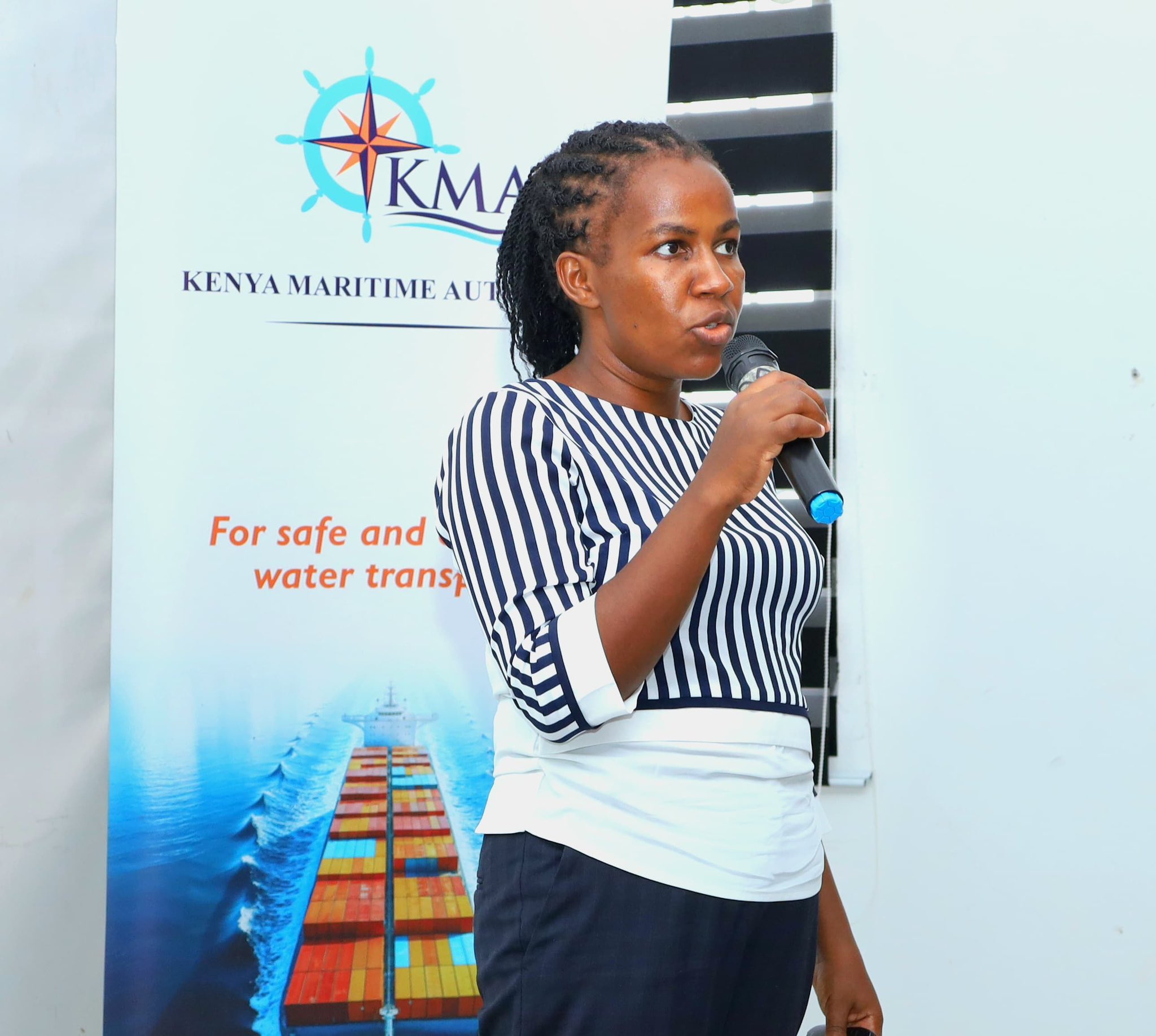
The Kenya Maritime Authority’s (KMA) Marine Oil Spill Emergency Response Training, currently underway in Kilifi County, is far more than a routine capacity-building exercise. It is a necessary and timely response to mounting risks along a coastline that underpins local livelihoods, tourism, fisheries, and the nation’s broader Blue Economy ambitions. By bringing together national agencies, the County Government of Kilifi, and private-sector actors, the training aims to equip participants with practical skills to prepare for, respond to, and manage marine oil spill incidents while strengthening vital coordination. This focus is critical—but it is incomplete without sustained follow-through.
Kenya’s maritime risk profile has fundamentally shifted. Expanding ports in Mombasa and Lamu, growing vessel traffic, the relocation of oil terminals, and proposed large-scale energy infrastructure all raise the probability of incidents. A major spill does not respect county or national borders. Oil drifts with currents, contaminating sensitive habitats—coral reefs, seagrass beds, and mangroves—as well as the nearshore fisheries that support thousands of coastal households. Tourist beaches and associated businesses suffer almost immediately from fouled shorelines and the resulting public perception. When response is slow or fragmented, the economic and social costs compound rapidly.
Kilifi itself illustrates these stakes. Recent reports of pollution linked to a grounded cargo vessel near Kikambala have already drawn complaints from Beach Management Units and fishers regarding dead marine life—including turtles—disrupted fishing, and declining beach activity. Whether or not every claim is fully verified, the episode underscores how quickly local communities feel the impacts and how essential rapid, coordinated action becomes. At the same time, Kilifi and other coastal counties are investing heavily in Blue Economy initiatives: improving landing sites, promoting sustainable fisheries, restoring mangroves, and creating alternative livelihoods. An uncontained spill can undo years of this work in a matter of days.
Kenya is not starting from zero. The recent launch of the National Marine Spills Response Contingency Plan designates the KMA as the competent authority and clarifies roles across government, counties, and industry. Earlier regional exercises, such as MASEPOLREX25, tested multi-agency coordination under simulated Tier III scenarios. Partnerships with the Norwegian Coastal Administration, the Oil Spill Mutual Aid Group, the Kenya Ports Authority, and others have trained hundreds of responders and developed supporting manuals on shoreline cleanup, wildlife response, and waste management. Furthermore, Incident Command System training has emphasized structured decision-making, resource allocation, and public communication during emergencies.
These steps demonstrate commendable progress. Yet, capacity remains uneven. Response equipment and trained personnel are still largely concentrated around major ports. County-level readiness, rapid deployment capability outside Mombasa, and seamless integration between national plans and local Beach Management Units or county emergency structures require continuous strengthening. Inland pipeline spills—such as the long-running impacts felt in Makueni from the 2015 Thange incident—offer sobering lessons: contamination can persist for years, affecting water, soil, health, and public trust. While marine spills present different technical challenges—weather, currents, and sensitive ecosystems—the requirement for speed, clarity of command, and adequate resources remains exactly the same.
Effective response, however, depends on more than technical skill. It requires clear activation protocols, pre-positioned equipment, regular joint drills that include county and community actors, and transparent communication with affected residents. Private-sector operators, particularly those handling oil and chemicals, must maintain Tier 1 readiness and participate fully in mutual-aid arrangements. Dispersant policies, wildlife response protocols, and waste management must be actively exercised, not merely documented. Public awareness campaigns also help communities report incidents promptly and understand what to expect during a response.
The training in Kilifi should therefore be viewed as one element in an ongoing system rather than a discrete event. Success will be measured by whether participants leave with clearer roles, stronger personal networks across agencies, and the ability to translate classroom and practical sessions into field performance. It will also depend on whether national and county budgets allocate resources for equipment maintenance, refresher training, and periodic full-scale exercises in different coastal segments. Partnerships with regional bodies and international organizations remain valuable, but domestic ownership and predictable funding are decisive.
Kenya’s Blue Economy strategy correctly identifies the ocean as a source of jobs, food security, and growth. That potential is fragile. A single poorly managed spill can damage ecosystems that take decades to recover and erode the confidence of communities that depend on them. Building genuine response capacity—through exercises like the one now underway in Kilifi, backed by contingency planning, equipment, and inter-agency discipline—is not optional infrastructure. It is insurance for the marine environment and the people whose livelihoods rest on it.
The work in Kilifi is a constructive step. The real test is whether the knowledge and coordination it builds become permanent features of Kenya’s maritime readiness—exercised regularly and resourced adequately—before the next incident tests the system under real pressure.