


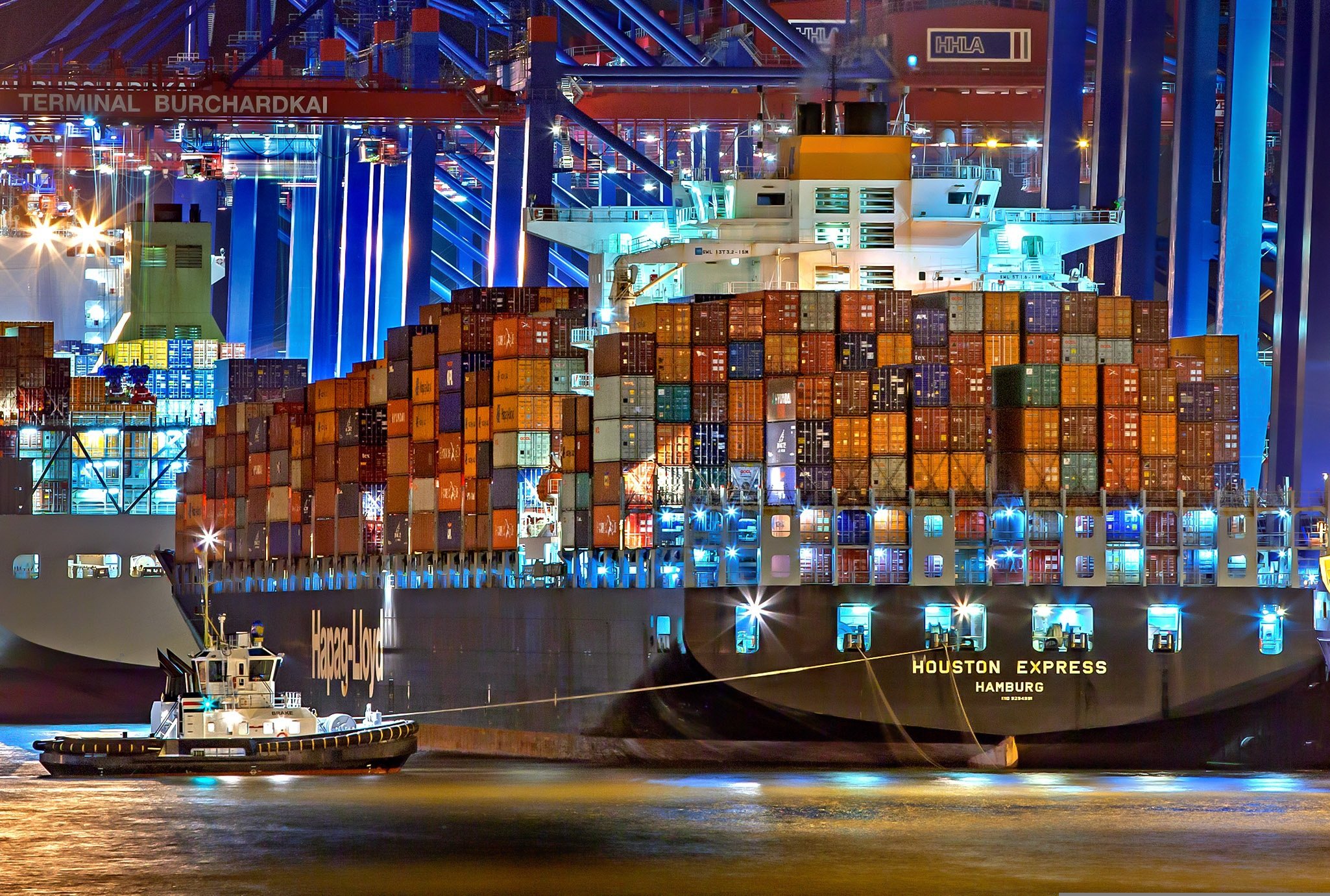
Along China’s 18,000-kilometer coastline, a quiet revolution has been underway. For years, ports sprouted up every 50 kilometers on average — many of them offering identical services, fighting over the same customers, and undercutting each other on price until nobody profited.
China found a solution to this mess in merging the ports, through a “One Province, One Port” policy,
China has been consolidating its coastal ports into massive integrated groups. But does bigger actually mean better for the regional economy? A new study by Bo Lu, Hongman Lu, and Huipo Wang and published on Transport Policy journal suggests the answer is more nuanced than simple yes or no.
The three researchers tracking 60 ports and 297 cities over a decade found that port integration follows what economists call an “inverted U-shaped” pattern.
That, put in plain language, means that merging ports helps the economy — but only up to a point. If you push integration too far, and the benefits actually begin to shrink.
Think of it like mixing ingredients for a cake. A little blending creates something better than the sum of its parts. Too much mixing, and you’ve just got paste.
How the magic happens
When ports integrate successfully, they stop competing on price and start specializing. One port handles containers, another focuses on bulk cargo, a third becomes an energy hub. Railways and roads connect them into a single efficient system rather than a collection of rivals.
This creates two powerful economic effects. First, industries upgrade—better ports attract better businesses. Second, markets become more dynamic; goods move faster and cheaper, which is oxygen for commerce.
But there’s a catch. The study found that in early integration stages, local innovation actually drops. Companies and governments become so focused on leveraging the new port infrastructure that they temporarily neglect developing new technologies. It’s a short-term sacrifice for long-term gain.
The ripple effects
Most importantly, the benefits spread beyond the port gate. In figurative terms, integrated ports act like stones dropped in water whereby the ripples spread far inland. Cities connected by rail and road to these new port networks experience economic lifts of their own, even hundreds of kilometers from the coast. For example, a port in China’s Qingdao doesn’t just help Qingdao; rather, it helps the entire network of cities linked to it.
For policymakers, the message is clear, and, that is, integration works; however, but moderation matters, as the researchers point out.
They aver that the goal shouldn’t be merging every possible port into one monolithic authority, but finding the optimum spot where coordination maximizes benefit without creating a sluggish, over-centralized system. In ports as in many things, the best recipe is the right optimum.
The paper was titled “Port group integration and regional high-quality economic development: Mechanisms and spatial effects” and it was published on the Transport Policy Journal, in the first quarter of 2026.