


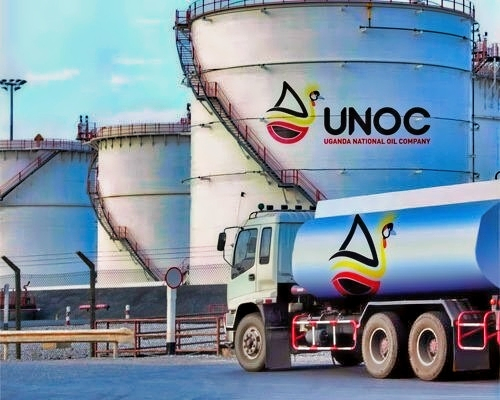
Uganda’s decision to move forward with its $4 billion oil refinery is significant for a country that was dependent on imported petroleum for many decades.
This move signals a deliberate step toward energy self-sufficiency, industrialization, and regional influence. With an estimated 6.5 billion barrels of oil in place—of which up to 2.2 billion are recoverable—Uganda is no longer content to be a passive player in the global energy market.
A processing capacity of 60,000 barrels per day could fundamentally alter Uganda’s energy balance sheet. Reduced import bills, greater price stability, and a steady supply of refined products would ease pressure on the national economy while insulating it from global fuel shocks.
For local industries, reliable and potentially cheaper energy could unlock productivity gains across manufacturing, transport, and agriculture.
However, it is important for stakeholders to know that oil refineries are not just economic assets—they are long-term bets in a rapidly changing global energy landscape. As the world accelerates toward cleaner energy under frameworks championed by bodies like the International Energy Agency and the International Maritime Organization, Uganda’s investment raises a critical question: is the country building a future-proof asset, or locking itself into a sunset industry?
Proponents argue that Africa’s energy transition will not mirror that of the Global North. The continent’s industrialization needs are immediate, and fossil fuels—at least in the medium term—remain central to powering growth.
In this context, Uganda’s refinery is not a contradiction of climate ambition but a pragmatic step toward economic independence. By refining its own crude, Uganda captures more value domestically rather than exporting raw resources and importing finished products at a premium—a cycle that has long disadvantaged African economies.
The regional implications are equally significant. Uganda’s shift from fuel importer to exporter could recalibrate energy dynamics across East Africa. Neighboring countries, many of which depend on imports routed through the Port of Mombasa or other corridors, may find a closer and potentially cheaper supply alternative.
This could spur new trade routes, infrastructure investments, and geopolitical alignments, positioning Uganda as a strategic energy hub in the region.
However, large-scale projects of this nature are rarely without pitfalls. Financing, governance, and execution risks loom large. A $4 billion price tag is substantial for any developing economy, and cost overruns or delays could strain public finances.
Transparency in procurement, adherence to environmental standards, and equitable distribution of benefits will determine whether this project becomes a national triumph or a cautionary tale.
Environmental considerations cannot be sidelined. Oil refining carries inherent risks—from emissions and water usage to potential ecological damage. Uganda must strike a delicate balance: leveraging its natural resources while safeguarding the ecosystems and communities that depend on them. Failure to do so could undermine the very development gains the refinery seeks to achieve.
Moreover, the promise of “resource-led transformation” has historically been uneven across Africa. Without strong institutions and sound policy frameworks, oil wealth can exacerbate inequality, fuel corruption, and distort economic priorities—a phenomenon often called the resource curse. Uganda’s leadership will need to demonstrate discipline and foresight to avoid these well-documented traps.
Still, there is an undeniable sense that Uganda is stepping into a new chapter. If executed well, the refinery could anchor a broader industrial ecosystem—spurring petrochemicals, logistics, and infrastructure development while creating jobs and building technical capacity. It could also serve as a model for how African nations can move up the value chain in resource utilization.
The projected mid-2026 production timeline adds urgency to these considerations. With global energy markets in flux and climate pressures mounting, Uganda’s refinery will come online at a moment of transition—not just for the country, but for the world.
Ultimately, this is not just about oil. It is about agency. Uganda is asserting control over its resources, its energy security, and its economic destiny. Whether this bold move becomes a foundation for sustainable growth or a costly misstep will depend on decisions made now—on governance, environmental stewardship, and long-term planning.
In the end, the refinery is not merely a project. It is a test of whether Uganda can turn resource potential into resilient prosperity in an era when the rules of energy are being rewritten.