


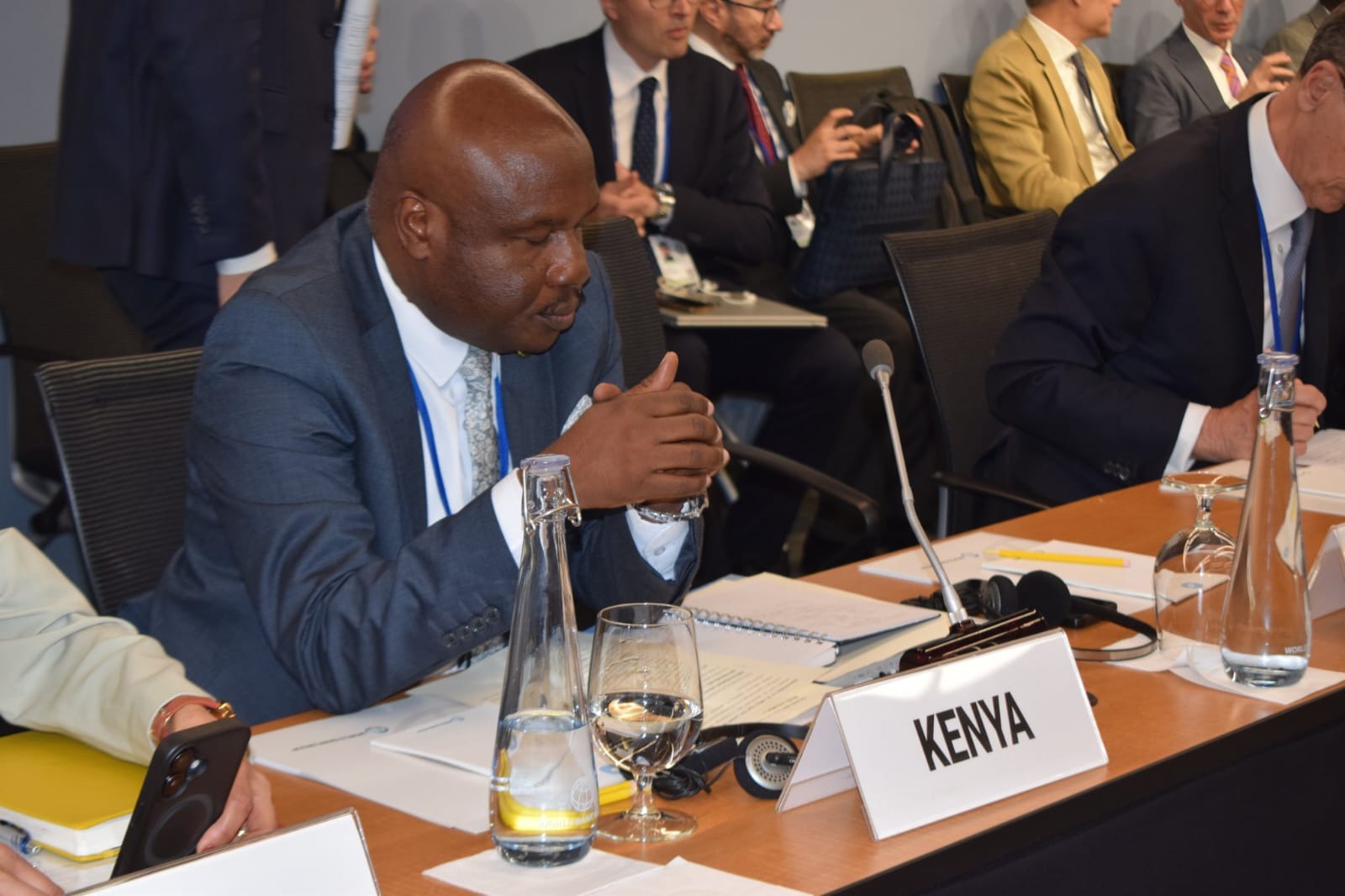
Kenya’s renewed push to align skills development with global labour demand signals a sobering recognition that unemployment can no longer be solved within its borders alone.
Principal Secretary Shadrack Mwadime is advocating for Global Skills Partnerships to bridge domestic training with international opportunity. Besides stating a policy, the PS is acknowledging a shifting economic reality.
Labour today is mobile, fiercely competitive, and shaped by real-time demand. Nations that fail to adapt risk stranding their own workforce.
By collaborating with partners such as the World Bank and governments like Canada’s, Kenya is moving beyond the outdated model of training for its own sake. The aim is to build a demand-driven system where skills are cultivated with a clear destination in mind.
In principle, this reduces mismatch, boosts employability, and creates structured pathways into global labour markets. It also introduces a more deliberate form of labour migration—one that is planned, negotiated, and potentially beneficial to all parties.
Here is a point of caution though. There is a fine line between strategic labour mobility and the quiet export of human capital with little domestic return. If not carefully managed, Kenya could find itself training workers primarily for foreign economies while critical sectors at home remain understaffed.
The promise that workers will return with enhanced skills and experience is valid, but cannot be taken for granted. It must be embedded in policy through incentives, reintegration frameworks, and deliberate national planning.
Equally vital is the question of dignity and protection. Labour mobility cannot be measured merely by the number of people deployed abroad; it must also be judged by the conditions under which Kenyans work and live.
Fair wages, safe environments, and enforceable rights are not optional extras—they are the bedrock of any credible global labour strategy. Without them, the model risks eroding public trust and exposing workers to exploitation under the guise of opportunity.
What also stands out is the need for Kenya to think more strategically about its natural advantages. Beyond commonly cited sectors like healthcare and agriculture, there are areas—particularly maritime and logistics—where Kenya holds a clear edge but has yet to fully integrate into this global skills agenda. Institutions such as the Kenya Maritime Authority and the Kenya Ports Authority provide a foundation upon which a globally competitive workforce could be built, especially as international shipping continues to face acute shortages of skilled personnel.
Ultimately, the success of this policy direction will depend less on speeches and more on systems. Training must align with globally recognized certification standards. Partnerships must be transparent and mutually accountable. And workers must remain at the centre of the process—not as commodities, but as professionals whose skills carry value both abroad and at home.
Kenya is right to pursue global opportunities for its workforce, but it must do so with a clear sense of balance. The goal is not simply to send workers out into the world. It is to ensure that their movement strengthens the nation as much as it advances individual livelihoods.