


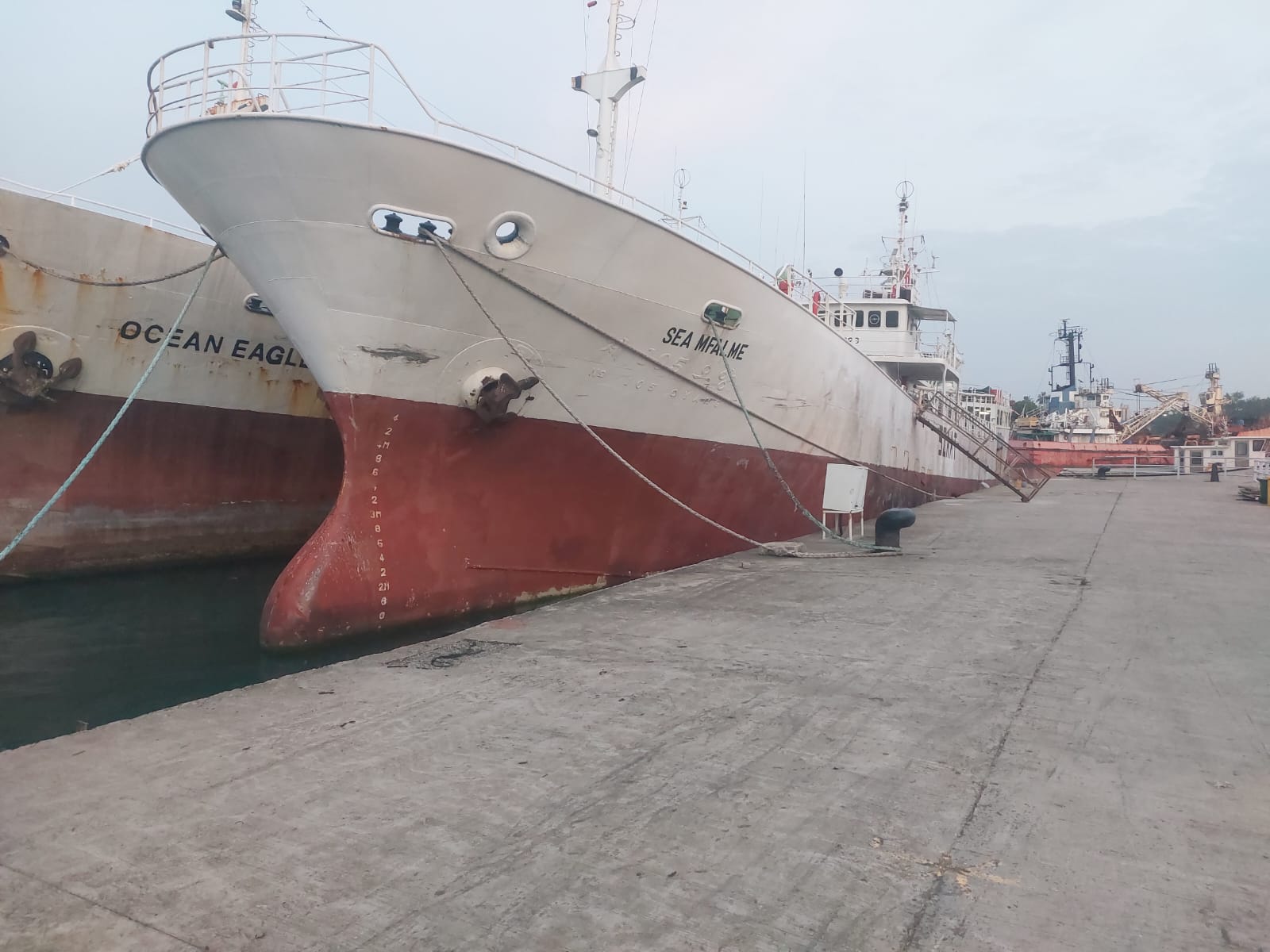
The prolonged detention of the Kenyan-flagged fishing vessel FV Sea Mfalme at Tanzania’s Kilwa Masoko port since late March 2026 should trouble every Kenyan who believes in the promise of our Blue Economy.
Nine Kenyan seafarers—ordinary family men from Mombasa and surrounding areas—remain stranded aboard or in custody under difficult conditions, separated from their loved ones and deprived of steady income while investigations drag on.
Tanzanian authorities impounded the vessel after discovering approximately 70 undocumented immigrants on board, sparking serious allegations of human smuggling that have cast a dark shadow over Kenya’s maritime reputation.
This is not merely a diplomatic hiccup between neighbours. It is a glaring symptom of deeper failures in oversight, vessel management, and flag state responsibility. An ageing ship flying the Kenyan flag somehow left port carrying a large group of undocumented people, including women and a child.
Whether the crew were complicit, coerced, or simply unaware, the episode exposes serious gaps in documentation, crewing standards, voyage monitoring, and intelligence sharing. Kenya has loudly championed its maritime ambitions, yet incidents like this reveal how fragile those ambitions remain when basic regulatory muscle is weak.
Human trafficking networks continue to exploit the Indian Ocean’s busy waters, and a fishing vessel offers convenient cover for moving desperate migrants. If our flagged ships can be so easily misused, our claim to being a serious maritime nation is fundamentally undermined.
The human cost is immediate and painful. These seafarers are sole breadwinners whose families now face hardship and uncertainty. The Seafarers Union of Kenya has rightly raised the alarm, calling for urgent government intervention. The Kenya Maritime Authority is coordinating with Tanzanian counterparts, but progress appears slow.
While Tanzania has every right to protect its borders and investigate transnational crime, prolonged detention without clear public updates or due process risks turning a legitimate security operation into an unnecessary strain on bilateral relations. Kenyan authorities must press harder for the crew’s welfare—access to legal support, medical care, and communication with families—while seeking either swift repatriation if the men are cleared, or transparent legal proceedings if evidence warrants it.
Beyond the immediate crisis, this affair demands honest reflection. Kenya cannot build a credible Blue Economy on grand strategies alone. We need tighter controls on older vessels, better real-time tracking, stricter vetting of operators and crew, and stronger welfare protections for seafarers who risk their lives far from home.
An independent inquiry into the Sea Mfalme’s ownership, chartering, and operational lapses is essential—not to assign blame for its own sake, but to prevent recurrence and restore confidence in the Kenyan flag. At the same time, the tragedy of irregular migration reminds us that regional cooperation with Tanzania and others must go beyond enforcement to address the poverty, conflict, and lack of opportunity that drive people onto dangerous sea journeys.
The nine Kenyans on the Sea Mfalme are not statistics; they are fathers, husbands, and sons whose lives are on hold. Their plight should serve as a wake-up call. Kenya must act with greater urgency through diplomatic channels, ensure the crew’s well-being, and commit to the reforms needed to secure our waters and protect our workers.
Anything less would betray both the seafarers and the maritime future we claim to be building. The families are waiting. The nation is watching. It is time to bring our people home and fix the systemic weaknesses this incident has laid bare.
Ends