


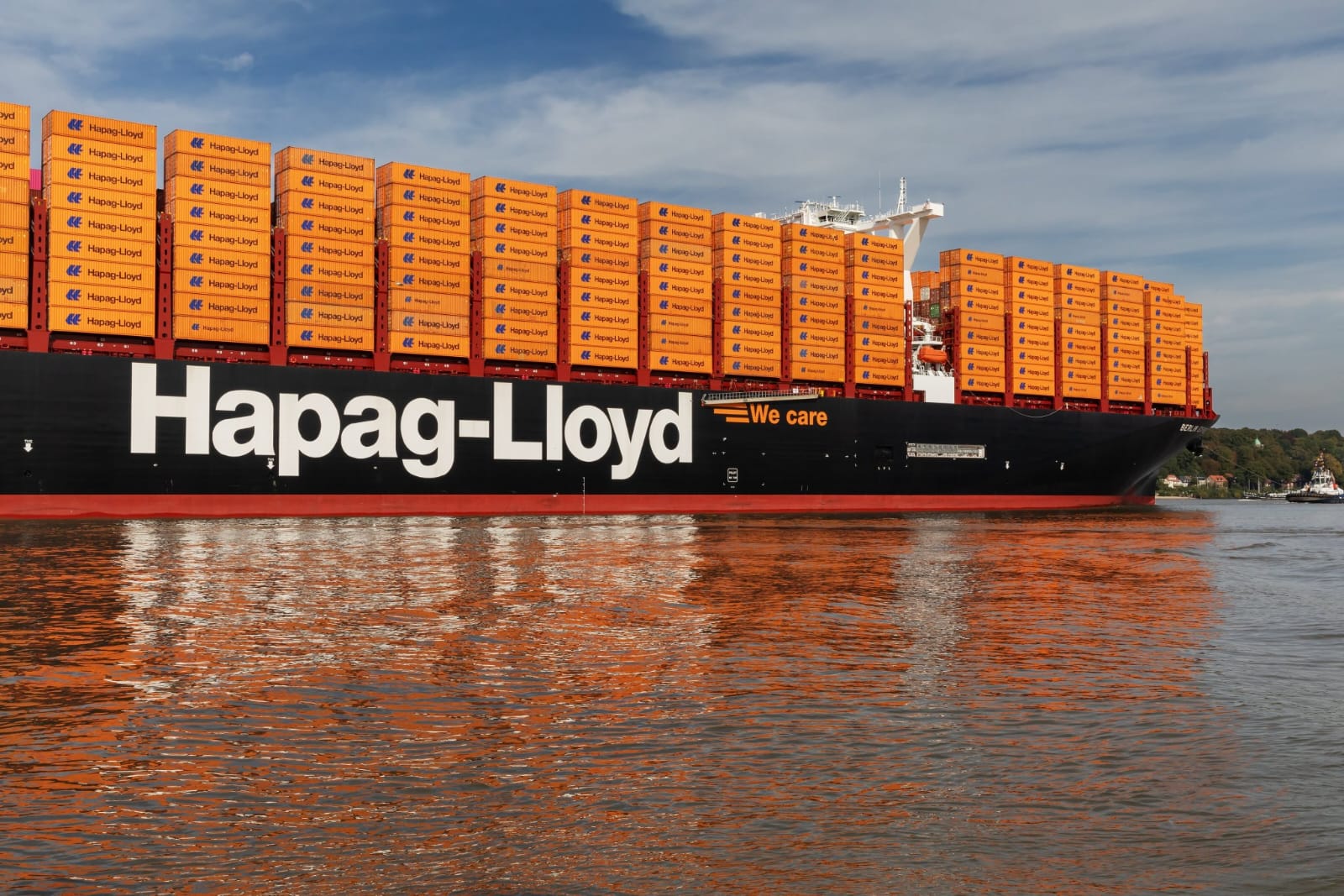
In the vast expanse of the world’s oceans, where ships often appear as mere specks on the horizon, a flash of color can reveal everything.
The distinctive funnel markings, hull schemes, and container palettes of maritime companies—collectively known as liveries—are far more than aesthetic choices or practical solutions for exhaust dispersal. They are moving emblems of corporate soul, historical continuity, and economic might in an industry that quietly underpins global trade.
These liveries serve as a visual language of the seas, honed over centuries. Before radar and satellite tracking, a captain scanning the horizon could identify an approaching vessel’s owner by its funnel colors and house flag from miles away.
This was no trivial matter in busy shipping lanes or contested waters. Company-specific “funnel marks” enabled instant recognition, coordination, and even a touch of rivalry among lines.
The tradition exploded during the steamship era. Shipping lines adopted bold house colors to differentiate their fleets amid growing competition. Cunard’s iconic red funnels with black tops have symbolized luxury and reliability for over 150 years, becoming synonymous with the romance of transatlantic travel. Red Funnel Ferries adopted their namesake red-and-black design in the 1930s for clear differentiation.
In the container age, liveries scaled up dramatically. Maersk’s signature sky blue—tracing its roots to an 1886 steamship and fully applied to hulls in 1955—now paints not just ships but thousands of containers, turning ports into blue seas of brand dominance. This consistency projects reliability across sea, land, and air.
Evergreen’s vibrant green evokes environmental themes and uniformity, while MSC’s yellow accents and MOL’s bold orange funnels (unchanged for over 50 years) cut through the visual noise of mega-ports.
These are not mere paints; they are strategic assets. In an era of mega-ships and alliances, where vessels from different operators share routes, a strong livery reinforces ownership and trust at a glance.
The deeper meaning
Maritime liveries embody identity in a borderless industry. They distill a company’s heritage, values, and ambitions into color and form. Cunard’s red funnels whisper of elegance and British maritime legacy; Maersk blue signals Danish precision and global reach. They connect modern fleets to their origins, preserving cultural memory amid technological change.
They also drive branding and marketing. A ship is a floating advertisement worth billions in cargo value. Uniform liveries amplify visibility in ports, on social media, and in the minds of shippers. Carnival’s whimsical “whale tail” funnel or Celebrity’s “X” design blend functionality with personality, turning vessels into experiential icons.
Safety and practicality underpin the spectacle. High-contrast colors aid visibility, while durable marine paints withstand salt, wind, and sun. Yet the emotional resonance runs deeper: liveries foster crew pride and passenger loyalty, evoking heritage on cruise ships or steadfastness on cargo vessels.
Economically, they matter immensely. Global container shipping moves over 90% of world trade by volume. A recognizable livery strengthens negotiating power, customer loyalty, and market differentiation in a cutthroat sector. In an age of consolidation, distinctive designs prevent fleets from blending into anonymity.
Liveries challenges
Critics might argue that modern liveries have homogenized—many ships sport plain white superstructures or alliance-neutral schemes for cost reasons. The golden age of wildly varied, ornate funnels has faded with containerization and efficiency drives. Yet this makes distinctive designs even more valuable. When Maersk repaints containers blue or lines refresh their schemes for better visibility, they reaffirm branding’s enduring power.
In my view, maritime liveries are cultural treasures worth preserving and evolving. They humanize an often-invisible industry, reminding us that behind every supply chain are people, histories, and ambitions. In a world of algorithmic logistics and autonomous ships, bold colors and symbols ground us in tradition while signaling forward momentum. They combat the abstraction of globalization, making trade tangible and memorable.
Sustainability offers new frontiers: liveries could incorporate eco-messaging, such as enhanced greens or innovative low-impact paints, aligning visual identity with environmental stewardship.
Next time you spot a ship on the horizon or in a bustling port, look closer at its livery. That blue, green, red, or orange is no accident—it represents centuries of seafaring ingenuity, the pulse of global commerce, and the pride of those who keep the world connected.
Maritime liveries are not relics; they are vital threads in the tapestry of international exchange. Honoring and evolving them ensures that even as ships grow larger and technology advances, the human story of the sea remains vividly painted for all to see.
The oceans are vast, but a well-crafted livery makes every vessel a proud ambassador of its line. In that visibility lies their timeless importance.