


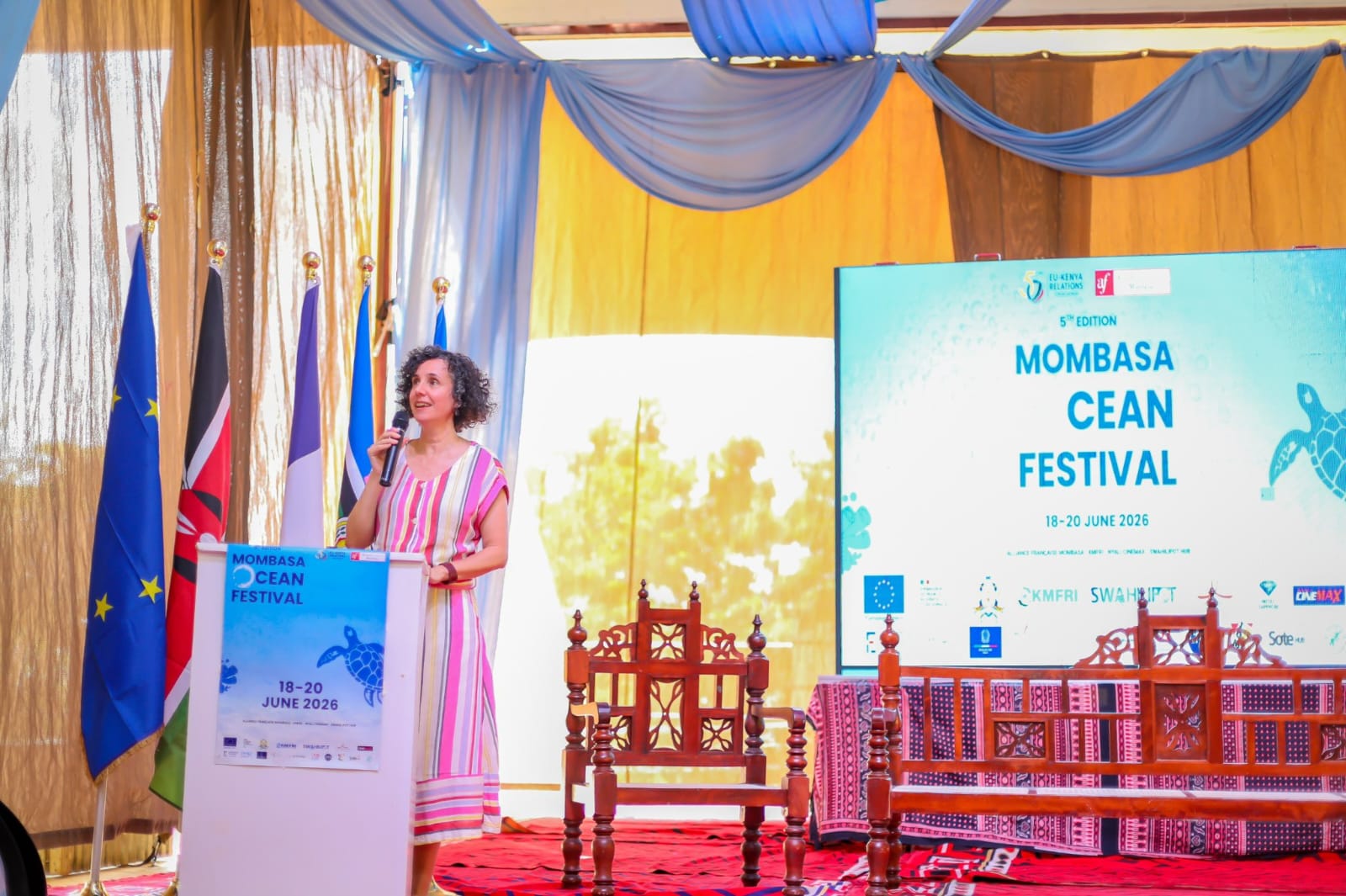
As the world grapples with climate change, escalating marine pollution, biodiversity collapse, and the urgent transition to a sustainable blue economy, the festival delivers a critical reminder: conservation cannot succeed through policy alone. It must be embraced by communities, celebrated through culture, and illuminated by science.
Kenya’s Greatest Underutilized Asset
For decades, Kenya’s development narrative has been dominated by agriculture, tourism, and infrastructure. Yet our 640-kilometre coastline and expansive maritime domain hold vast, untapped potential. From fisheries and maritime transport to tourism, offshore energy, and marine biotechnology, the ocean is the lifeblood of coastal livelihoods. The Port of Mombasa stands as a critical gateway not just for Kenya, but for the entire East and Central African region.
Despite this strategic importance, public awareness of ocean governance and marine conservation remains disproportionately low. Many Kenyans far from the coast rarely appreciate how profoundly their daily lives are intertwined with the health of marine ecosystems. The Mombasa Ocean Festival seeks to bridge this gap—transforming ocean awareness from an academic discourse into a lived, public experience.
Conservation Begins with Community Action
Among the festival’s most impactful activities is the beach clean-up initiative. While seemingly symbolic, these efforts serve a deeper purpose: they remind citizens that marine pollution begins on land. Every plastic bottle discarded in a drain, every poorly managed waste dump, and every careless act of littering inevitably finds its way into rivers and, ultimately, the ocean.
The inclusion of a cycle to the clean-up site reinforces a vital environmental truth: sustainability is interconnected. Reducing carbon emissions, promoting healthy lifestyles, and protecting marine ecosystems are not separate endeavors, but parts of a single, shared responsibility. These grassroots actions cultivate environmental stewardship among ordinary citizens, ensuring that conservation does not remain the exclusive domain of governments and NGOs.
Opening the Doors of Science
Perhaps the festival’s most significant component is KMFRI’s Open Day. Scientific institutions often operate behind closed lab doors, producing critical research that remains largely inaccessible to the public. By inviting citizens to tour laboratories, museums, aquariums, and eco-zones, KMFRI is democratizing science—a crucial step, as effective ocean governance depends on public trust in scientific knowledge.
Visitors will gain insight into marine biodiversity, fisheries management, coral reef conservation, and the emerging challenges facing Kenya’s marine environment. Such exposure can inspire young people to pursue careers in marine science and maritime affairs. In a nation striving to expand its blue economy workforce, this investment in public education is both timely and strategic.
Culture as a Catalyst for Awareness
One of the festival’s most innovative elements is the integration of the Fête de la Musique concert into the ocean conservation agenda. Environmental messaging is often most powerful when delivered through culture rather than lectures. Music has a unique ability to unite people across social, economic, and political divides.
By fusing scientific engagement with artistic expression, the organizers acknowledge a fundamental truth: people protect what they value, and they value what they connect with emotionally. This marriage of conservation and culture creates a more inclusive platform, capable of reaching audiences who might never attend a scientific seminar or environmental conference.
Strengthening International Partnerships
The visible support from European partners and international institutions underscores the increasingly global nature of ocean governance. Marine pollution, climate change, illegal fishing, and biodiversity loss respect no borders. Addressing these challenges demands collaboration among governments, research bodies, civil society, and development partners.
The festival illustrates how international cooperation can move beyond diplomatic statements to tangible community engagement—bringing technical expertise, financial resources, and global best practices to strengthen Kenya’s ocean sustainability agenda. Yet the ultimate measure of these partnerships must be their ability to empower local communities and institutions, rather than foster dependency.
Beyond Celebration: A Call to Action
While festivals generate crucial awareness, awareness alone is insufficient. Kenya must continue investing in marine research, strengthening fisheries management, combating illegal and unregulated fishing, improving waste management, protecting critical habitats like mangroves and coral reefs, and creating sustainable blue economy jobs.
The lessons championed during the festival must translate into year-round action by government agencies, private sector actors, educational institutions, and citizens. Environmental responsibility cannot be confined to annual celebrations; it must become embedded in everyday governance and community life.
A Blueprint for Kenya’s Blue Economy Future
The Mombasa Ocean Festival embodies a broader vision for Kenya’s future—one where science informs policy, communities participate in conservation, culture amplifies awareness, and international partnerships bolster sustainable development.
As Kenya positions itself as a blue economy leader, initiatives like Ocean Fiesta demonstrate that sustainable ocean management is about more than protecting marine resources. It is about building a society that understands the intrinsic link between healthy oceans, prosperous communities, and national development.
The festival’s true success will not be measured by attendance or entertainment value, but by whether participants leave with a renewed commitment to safeguarding the ocean that sustains livelihoods, drives trade, supports biodiversity, and holds immense promise for generations to come.
In that regard, the Mombasa Ocean Festival is not merely an event. It is a powerful reminder that Kenya’s future is inseparable from the future of its oceans.