


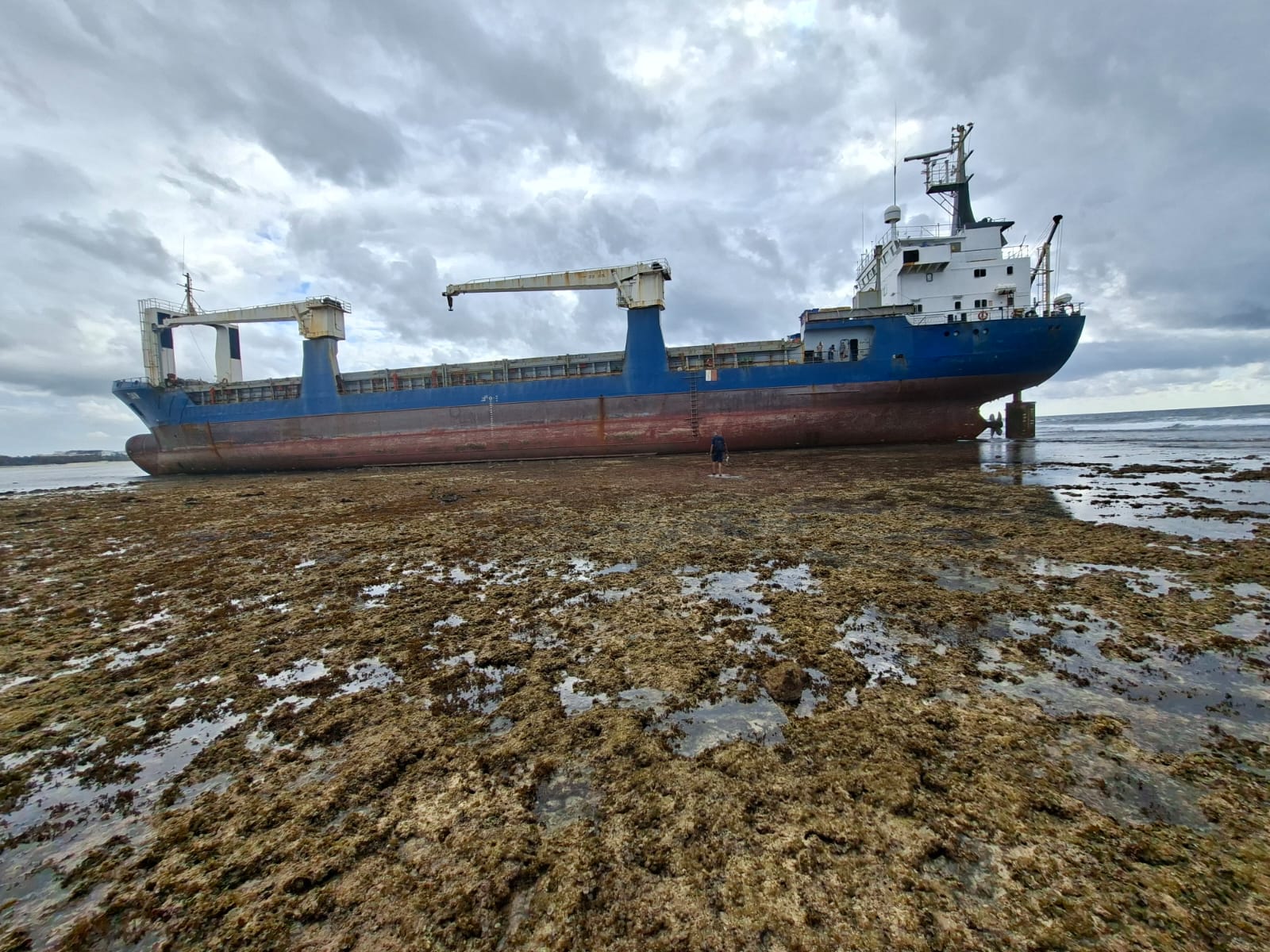
The reported grounding of an internationally flagged vessel on a coral reef near Serena Beach and the entrance to Mtwapa Creek is far more than an isolated maritime mishap. It is a stark warning—a signal that the delicate equilibrium between maritime commerce, environmental stewardship, and the economic lifelines of Kenya’s coastal communities hangs in precarious balance.
As authorities continue to assess the vessel’s condition and the scale of immediate risks, the situation already presents a critical test of Kenya’s preparedness to respond to marine emergencies in one of the nation’s most environmentally sensitive and economically vital coastal zones.
The North Coast of Mombasa is not merely a picturesque tourist destination. It is an intricate ecosystem where coral reefs, mangrove forests, seagrass beds, fisheries, tourism enterprises, and local communities coexist in fragile interdependence. Any disruption to this balance carries consequences that radiate far beyond the shadow of the stranded ship.
A Looming Environmental Disaster
The greatest concern remains the specter of a hull breach or fuel leakage. Maritime history offers grim testimony: even relatively minor oil spills can inflict devastating and enduring damage on coastal ecosystems.
Should fuel escape into surrounding waters, the consequences would be immediate and severe. Beaches could face closure, tourism operations thrown into disarray, and marine recreational activities suspended. The pristine image that draws thousands of local and international visitors to Kenya’s coast each year could be tarnished overnight—a reputational wound that may take years to heal.
Beyond the visible impacts lies a more insidious threat. Oil contamination can persist in marine environments for years, compromising water quality, poisoning marine organisms, and undermining ecosystem health long after cleanup operations have concluded. Coastal communities dependent on fishing and tourism would bear the heaviest burden, their livelihoods tethered to waters that may no longer sustain them.
The Silent Victims: Coral Reefs
Perhaps the most immediate casualty of the grounding is the coral reef itself—a living structure that cannot be replaced within human timescales.
Coral reefs rank among the most biologically productive ecosystems on Earth, yet they are also among the most vulnerable. Physical contact between a large vessel and a reef structure can destroy coral colonies that have taken decades—in some cases centuries—to develop. These reefs serve as breeding grounds and habitats for countless marine species. They protect shorelines from wave energy and erosion while underpinning fisheries and tourism industries worth billions globally.
The destruction of even a small section of reef can trigger cascading ecological effects: fish populations decline, biodiversity suffers, and ecosystem recovery stretches across years or decades. In some cases, damaged coral systems never fully recover.
For Kenya, which has invested significant political and financial capital in marine conservation and the Blue Economy agenda, allowing further reef degradation would represent a substantial setback—a failure of both policy and practice.
Mtwapa Creek: A Sensitive Ecological Corridor
The vessel’s proximity to Mtwapa Creek amplifies the stakes considerably.
Mtwapa Creek is not simply a waterway; it is a critical ecological corridor linking coastal and marine habitats. Its mangrove forests provide nursery grounds for fish and crustaceans, stabilize shorelines, and store significant amounts of carbon—nature’s own climate mitigation infrastructure. Nearby seagrass beds support fish populations, sea turtles, and numerous marine organisms that form the foundation of coastal biodiversity.
An oil spill or pollutant discharge entering the creek system could spread rapidly through these interconnected habitats, amplifying environmental damage and complicating response efforts exponentially. Such impacts would extend far beyond ecological concerns to directly affect food security and household incomes across coastal communities.
The Human Cost
Environmental disasters are, at their core, human disasters.
Thousands of families along Kenya’s coast depend directly or indirectly on the health of the marine environment. Artisanal fishermen, fish traders, boat operators, beach businesses, dive operators, hotel workers, and tourism entrepreneurs—all rely on thriving coastal ecosystems.
If fishing grounds are contaminated or tourism declines due to environmental degradation, livelihoods could be disrupted for months or even years. For many coastal households already navigating economic pressures, such losses would be devastating. The true cost of environmental negligence is rarely measured solely in monetary terms; it is reflected in diminished opportunities, reduced incomes, and increased vulnerability among communities that can least afford additional hardship.
Maritime Safety and Governance Under Scrutiny
This incident also raises urgent questions about maritime safety, vessel monitoring, and emergency preparedness along Kenya’s coastline.
How did the vessel drift onto a reef in such a sensitive area? Were warning systems functioning effectively? Was there sufficient monitoring of the vessel’s movements? Are current contingency plans adequate to address a worst-case scenario?
These questions should not be viewed as premature blame-assignment. Rather, they are essential inquiries that can strengthen Kenya’s maritime governance framework and enhance future preparedness. As maritime traffic continues to increase in the Western Indian Ocean—driven by regional trade growth and port expansion—coastal states must continuously improve surveillance capabilities, emergency response mechanisms, and inter-agency coordination.
Complacency is not an option. The cost of preparedness is negligible compared to the price of failure.
A Test for the Blue Economy
Kenya has positioned itself as a regional leader in the Blue Economy, championing sustainable use of marine resources for economic growth, improved livelihoods, and environmental conservation. The grounding near Serena Beach presents a real-world test of that commitment.
Protecting marine resources requires more than policy declarations and conference resolutions. It demands rapid action, effective coordination, scientific assessment, and the political will to prioritize environmental protection alongside economic interests. The response to this incident will be closely watched by environmental stakeholders, maritime operators, development partners, and coastal communities alike.
Kenya’s credibility as a Blue Economy champion hangs in the balance.
The Path Forward
The recommended immediate actions are both necessary and urgent. Authorities must swiftly:
· Conduct a comprehensive structural assessment of the vessel and determine fuel and cargo status
· Establish continuous environmental monitoring across the affected area
· Deploy pollution containment equipment before an incident occurs rather than after
· Maintain transparent communication with local communities and stakeholders—public confidence is strengthened when authorities provide timely information and demonstrate proactive management of emerging risks
· Mobilize environmental experts to assess coral reef impacts and develop restoration strategies where necessary
· Ensure contingency plans for oil spill response remain on standby and fully resourced
Prevention, however, must be the ultimate goal. This incident should trigger a comprehensive review of maritime safety protocols, vessel tracking systems, and emergency response frameworks. Lessons learned must translate into systemic improvements—not gather dust in official reports.
Conclusion
The stranded vessel near Serena Beach and Mtwapa Creek is more than a navigational casualty. It is a warning signal—one that Kenya cannot afford to ignore.
It reminds us that Kenya’s marine ecosystems are invaluable national assets deserving the highest levels of protection. It underscores the interconnected nature of environmental health, economic prosperity, and human well-being. And it challenges policymakers, regulators, and maritime stakeholders to ensure that preparedness keeps pace with growing maritime activity.
The coming days will determine whether this incident becomes a story of effective intervention and environmental stewardship or a cautionary tale of missed opportunities and preventable damage. For the sake of Kenya’s coastal communities, marine biodiversity, and Blue Economy ambitions, the nation cannot afford the latter.
The vessel may be grounded on a reef, but Kenya’s future must not be grounded with it.
Andrew Mwangura is a maritime analyst and commentator based in Mombasa. The views expressed are personal.