


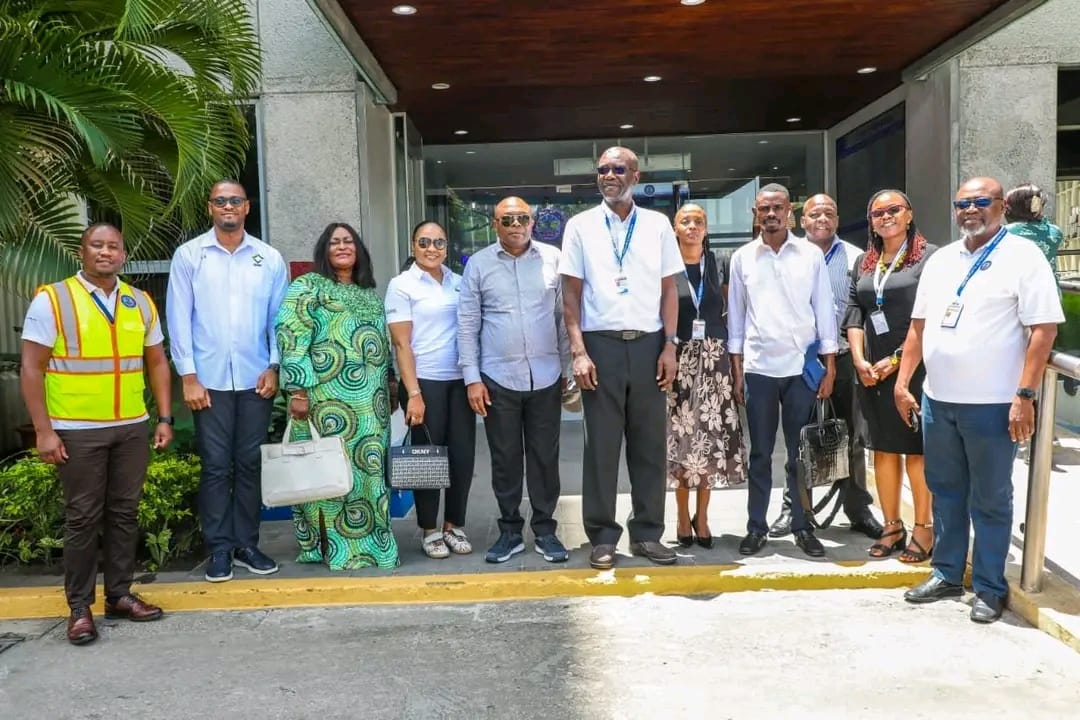
The Democratic Republic of Congo’s business community is signalling a clear preference for Kenya’s inland logistics infrastructure. Following a recent tour of the Port of Mombasa by a delegation from the Office of Multimodal Freight Management (OGEFREM), Congolese stakeholders have expressed growing interest in routing cargo through the Nairobi and Naivasha Inland Container Depots. This is more than a routine courtesy visit. It reflects a practical assessment of efficiency, cost, and reliability at a moment when regional trade corridors are under competitive pressure and Kenya’s port system is actively repositioning itself inland.
Mr. Nzeza Zi Ngeti Claude, Director of Organisation and Management Control at OGEFREM and leader of the delegation, publicly commended the Kenya Ports Authority (KPA) for sustained investment in modern berths, Smart Gates, and an upgraded Terminal Operating System. These upgrades, he noted, strengthen cargo processing, traceability, and overall efficiency. Representing CEO Capt. William Ruto, General Manager Dr. Fred Oyugi underscored the DRC’s strategic weight: transit cargo already accounts for roughly 35 per cent of Mombasa’s total throughput, and the DRC remains a critical and growing market within that share. Strong stakeholder partnerships along the Northern Corridor, he emphasised, are essential to efficient movement and broader regional trade.
The numbers and geography support the interest. Nairobi ICD, linked by both Standard Gauge Railway and metre-gauge services, sits on more than 43 hectares with capacity exceeding 450,000 TEUs annually and modern handling for containerised and break-bulk cargo. Naivasha ICD was designed precisely for the transit markets of Uganda, Rwanda, the DRC, South Sudan, northern Tanzania and the Rift Valley hinterland. By shifting clearance roughly 500–570 kilometres inland from Mombasa via the SGR, it shortens the remaining road haul for Congolese cargo, reduces dwell times at the coastal port, and lowers exposure to demurrage and congestion charges. Transit countries, including the DRC, have been allocated land within the adjacent Special Economic Zone for dedicated handling and clearance facilities—an arrangement that can further localise operations and cut end-to-end costs.
This interest arrives against a backdrop of rising volumes and deliberate policy shifts. Mombasa handled a record volume in 2025, with transit cargo growing robustly. Uganda still dominates the transit share, but the DRC has recorded notable increases in recent periods and now ranks among the top destinations. Congestion at the coastal port has prompted authorities to prioritise long-haul transit cargo for clearance at Naivasha, freeing Mombasa capacity for domestic and shorter-haul traffic. The logic is sound: underutilised inland capacity—Naivasha has operated well below its designed throughput for stretches of time—can absorb growth while improving turnaround for regional shippers.
Yet the opportunity is not automatic. Past experience shows that the mere existence of inland depots does not guarantee uptake. Traders have often preferred direct road haul from Mombasa when total door-to-door costs, reliability of rail schedules, or last-mile connectivity appeared more favourable. Non-tariff barriers, multiple roadside checks, and incomplete last-mile infrastructure along the Northern Corridor have repeatedly eroded competitiveness relative to the Central Corridor through Dar es Salaam. Transporters have resisted mandates that appear to force cargo onto rail or inland clearance without clear commercial upside. For the DRC business community to convert expressed interest into sustained volumes, Kenya must deliver measurable advantages: reliable SGR schedules, competitive free-storage windows, seamless Single Customs Territory procedures, modern scanning and tracking, and predictable border processes onward to eastern Congo.
The broader strategic stakes are high. The DRC’s membership in the East African Community expands the Northern Corridor’s natural hinterland. Efficient inland clearance at Nairobi and Naivasha can reduce the effective distance and cost of reaching Goma, Bukavu and other eastern Congolese centres, supporting both imports of consumer and capital goods and potential export flows. Synergies with the Naivasha Special Economic Zone—already attracting investors in agro-processing, logistics and manufacturing—offer additional value-addition opportunities. For Kenya, higher utilisation of the SGR freight service strengthens the economic case for the railway investment and reinforces Mombasa’s position as the preferred gateway against regional competitors. For the region, better coordination among KPA, Kenya Revenue Authority, Kenya Railways, OGEFREM and private operators can lower logistics costs that currently constrain intra-African trade.
Challenges remain. Full operationalisation requires consistent equipment, trained staff, and digital integration so that cargo visibility and customs clearance match or exceed coastal standards. Land allocations to transit states must translate into functional stations rather than idle plots. Road infrastructure from Naivasha toward the western borders and into the DRC needs parallel attention; rail cannot solve the entire journey. And policy must remain commercially oriented rather than purely directive—shippers respond to lower total costs and higher reliability, not mandates alone.
The OGEFREM visit and the subsequent expressions of interest from Congolese business circles therefore represent both a test and an opportunity. Kenya has invested in the hard and soft infrastructure that can make inland clearance attractive. The DRC, with its large and growing demand for efficient access to international shipping, has every reason to test that infrastructure seriously. If both sides, together with other Northern Corridor partners, close the remaining operational and regulatory gaps, the result will be faster cargo movement, lower logistics costs, reduced pressure on Mombasa, and a tangible strengthening of regional trade integration. The alternative—continued under-utilisation of inland capacity while congestion and competition intensify—would be a missed opportunity neither economy can easily afford.
The path forward is clear: sustained collaboration, transparent performance metrics, and a relentless focus on the commercial realities faced by shippers. The DRC business community has indicated its readiness to engage. Kenya’s inland depots and the Northern Corridor institutions now have the chance to prove they can deliver.