


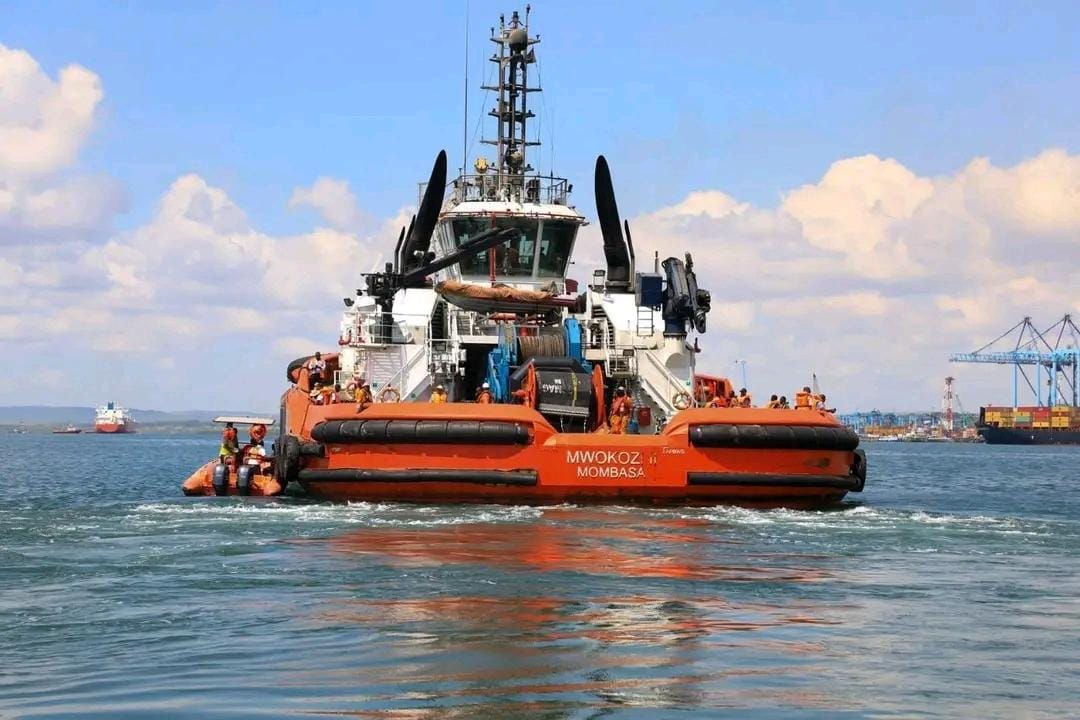
As Kenya navigates the complex currents of global trade in mid-2026, the latest vessel schedule from the Kenya Ports Authority sends a clear and encouraging signal. Over the 14 days beginning 25 August 2026, a total of 45 vessels are expected to call at the Port of Mombasa and the Port of Lamu. This pipeline—comprising 27 container ships, 15 conventional cargo vessels, two car carriers, and one oil tanker—will sustain cargo-handling operations at the country’s two principal maritime gateways and reaffirm their enduring relevance in East African logistics.
The numbers themselves tell a story of both volume and variety. Container vessels dominate the list, reflecting steady demand for manufactured goods, consumer products, and intermediate inputs that keep Kenya’s manufacturing, retail, and construction sectors in motion. Conventional cargo ships will bring bulk commodities—steel coils, mining equipment, fertiliser, wheat, clinker, palm oil, and general cargo—that are essential for agriculture, infrastructure, and industrial activity. The two car carriers point to sustained momentum in the automotive sector, while the single gas-oil tanker underscores the energy logistics that continue to underpin economic activity.
Yet what stands out is not merely the quantity of ships, but the geographic spread—and the growing role of Lamu. While Mombasa remains the workhorse, handling the overwhelming majority of calls, Lamu is scheduled to receive several vessels, including container ships and specialised cargo. This is more than a footnote. It is tangible evidence that the Lamu Port–South Sudan–Ethiopia Transport (LAPSSET) corridor is beginning to attract operational traffic beyond ceremonial first arrivals. For a port still in its developmental phase, consistent vessel calls are critical. They generate revenue, build crew and operator familiarity, and signal to shipping lines that Lamu is open for business.
The timing is also significant. Global shipping continues to contend with geopolitical tensions, volatile freight rates, and the lingering aftershocks of pandemic-era supply-chain disruptions. Against that backdrop, a full schedule at Kenya’s ports amounts to a vote of confidence. Shipping lines do not send vessels to ports they expect to be congested, inefficient, or commercially unviable. The presence of major operators—MSC, CMA CGM, and others—on the list reinforces Mombasa’s standing as a regional hub and Lamu’s emerging potential as a complementary gateway.
Yet an op-ed that merely celebrates arrival numbers would be incomplete. Sustaining operations is necessary, but not sufficient. The real test lies in how efficiently these vessels are turned around, how quickly cargo moves inland, and how competitively Kenya’s ports stack up against regional rivals. Congestion, documentation delays, last-mile logistics bottlenecks, and occasional industrial action have, at times, eroded the advantages of location and infrastructure. The current schedule offers a window of opportunity: with predictable vessel traffic, port management, terminal operators, customs authorities, and inland transporters now have a clear chance to demonstrate improved coordination.
There are also broader economic implications. Every vessel that docks contributes to port charges, stevedoring income, trucking activity, warehouse utilisation, and related services. Multiplied across 45 ships, the ripple effect on employment and local economies in Mombasa, Lamu, and the hinterland is tangible. For exporters of tea, coffee, horticulture, minerals, and manufactured goods, reliable inbound capacity also supports outbound sailings. Trade is a two-way street; a healthy inbound schedule strengthens the business case for outbound services.
Looking ahead, the challenge is to convert this operational rhythm into structural advantage. Investment in deeper berths, modern cargo-handling equipment, digital systems that reduce dwell times, and seamless rail and road linkages will determine whether Kenya consolidates its position or risks a gradual erosion of market share. Regional competition is real. Ports in neighbouring countries continue to modernise and court the same shipping lines. Kenya’s response must be one of continuous improvement, not complacency.
The vessel list published for the fortnight beginning 25 August 2026 is therefore far more than a logistical timetable. It is a snapshot of Kenya’s place in the Indian Ocean trade network—and a reminder of both achievement and unfinished business. Forty-five vessels will keep the gantries moving and the trucks rolling. The greater task is to ensure that the ports they serve remain efficient, competitive, and strategically relevant for the decade ahead. In the business of ports, as in the business of nations, sustained performance is the only lasting currency.