


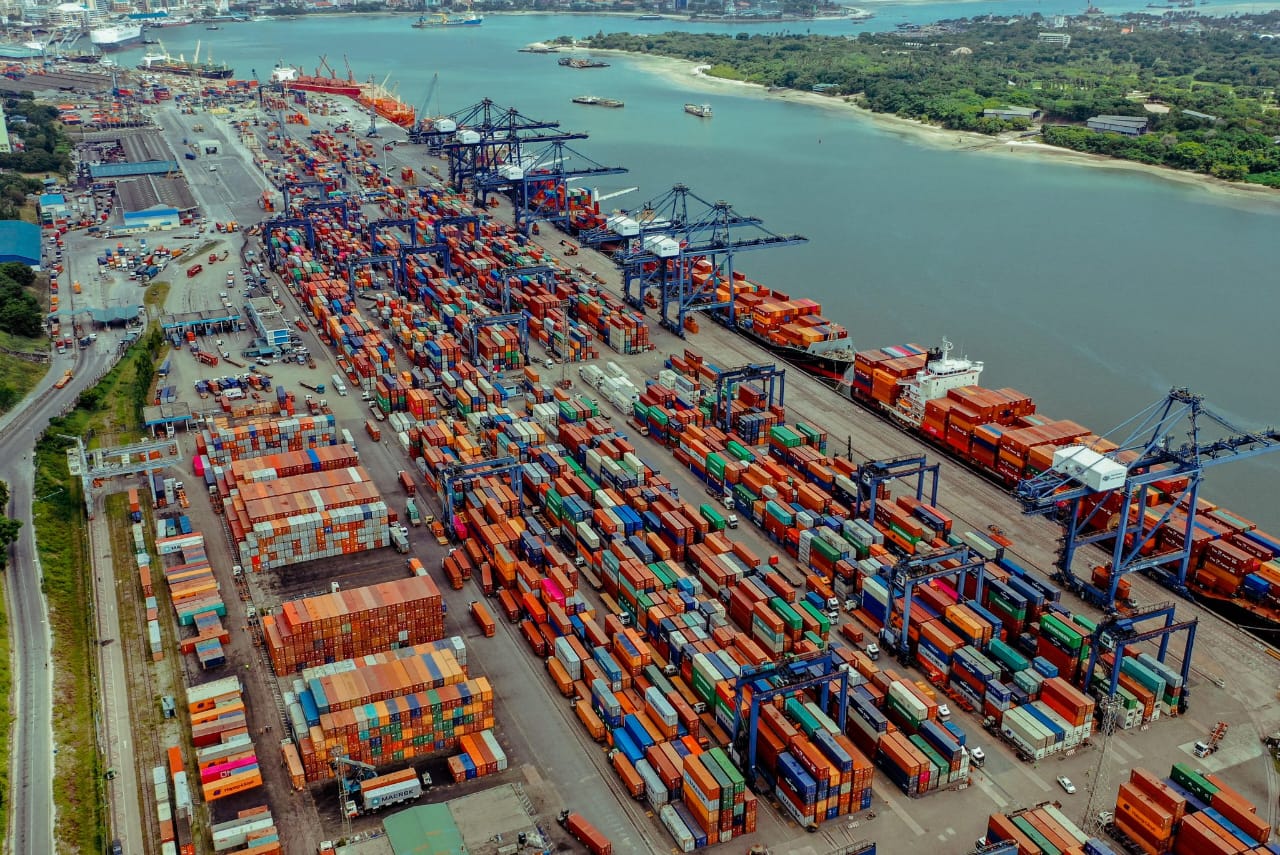
Kenya has taken a decisive step toward modernising its maritime gateways. The National Treasury’s approval of feasibility studies for a multi-phase concession programme covering key assets at Mombasa and Lamu ports signals the most significant shift in the country’s port governance model in decades. The plan aims to attract roughly $1.2 billion in private investment under a public-private partnership (PPP) structure, with the Kenya Ports Authority (KPA) retaining ownership while private operators finance upgrades, equipment, and day-to-day operations.
This is not wholesale privatisation. It is a deliberate move to the landlord-port model that has become the global standard for competitive terminals. KPA keeps the land, sets strategic direction, and collects concession fees; private partners bring capital, technology, and operational discipline. The distinction matters. For years, critics have framed any private involvement as a “sell-out.” The reality is more pragmatic: Kenya’s ports are approaching capacity limits at a moment when regional trade is expanding and competition from Dar es Salaam and other corridors is intensifying.
The Scale and Structure of the Programme
The first phase, already cleared for competitive procurement, targets four assets structured into three transactions: Mombasa Berths 11–14, Mombasa Container Terminal 1, and an integrated package of Lamu Container Terminal (berths 1–3) plus the adjacent Special Economic Zone. These require more than $610 million in investment, of which KPA is expected to contribute about $60 million. A second phase—covering additional Mombasa container and general-cargo berths, Mbaraki Wharf, and the inland container depots at Embakasi and Naivasha—is projected at over $620 million. Combined private capital is expected to reach approximately $1.17–$1.2 billion.
Berths 11–14 illustrate the urgency. Built in the mid-20th century as multi-purpose facilities, they currently offer roughly 300,000 TEU of annual capacity. Redevelopment—realignment, deeper dredging, expanded yard space—aims to triple that capacity and accommodate larger vessels. Mombasa as a whole handled a record 2.11 million TEU and 45.45 million tonnes of cargo in 2025, with transit volumes to landlocked neighbours rising nearly 20 percent. Lamu, long underutilised, has seen cargo volumes jump more than tenfold in a single year, aided by geopolitical shifts that have diverted some traffic. Existing infrastructure is straining; public balance sheets alone cannot close the gap quickly enough.
Why the Landlord Model Makes Sense Now
Kenya’s broader policy environment reinforces the logic. The Government-Owned Enterprises Act of 2025 pushes state corporations toward commercial self-sufficiency. Port PPPs are positioned to increase KPA cash flows substantially while reducing dependence on Treasury borrowing for capital expenditure. Experience elsewhere—Singapore, Rotterdam, and many Latin American and Asian ports—shows that well-designed concessions can deliver higher productivity, better equipment, and lower unit costs without surrendering strategic control.
Potential bidders are already circling. CMA CGM has previously signalled interest in Mombasa terminal modernisation. DP World and local partners have advanced industrial-park plans near the port. Global operators bring not only capital but also networks, digital systems, and performance benchmarks that state-run operations often struggle to match. For a region whose landlocked economies depend on reliable, cost-competitive access to the sea, these gains translate into lower logistics costs and stronger trade competitiveness.
Risks and Legitimate Concerns
No concession programme of this scale is risk-free. Execution will determine outcomes. Transparent, competitive bidding is essential; past attempts at port deals in the region have sometimes been clouded by opacity or preferential treatment. Concession contracts must include clear performance metrics, tariff regulation, labour protections, and exit clauses that protect the public interest. Local content, skills transfer, and community benefits—especially around Lamu—require careful design if the programme is to maintain political legitimacy.
There is also the question of sequencing and capacity. Awarding multiple large packages in parallel risks stretching KPA’s regulatory and oversight bandwidth. Inland connectivity—roads, rail, and the inland depots themselves—must keep pace, or terminal efficiency gains will simply shift bottlenecks inland. And while the landlord model preserves ownership, poorly structured long-term agreements can still constrain future policy flexibility.
Competition from Tanzania’s corridor remains real. Dar es Salaam has invested heavily and continues to capture market share on certain routes. Kenya’s response cannot rely solely on private capital at the quayside; complementary reforms in customs, trucking regulation, and corridor governance are equally important.
Regional Stakes and the Bigger Picture
East Africa’s trade volumes are projected to keep rising. Ethiopia, Uganda, Rwanda, South Sudan, and parts of the DRC all look to coastal gateways. Efficient ports are not a domestic luxury; they are a regional public good. A modernised Mombasa and a functioning Lamu strengthen Kenya’s position as the primary Northern Corridor hub and create options for diversification should one facility face disruption.
The Dangote Refinery project and other industrial investments planned around Lamu further raise the stakes. A port that can handle both containers and bulk efficiently becomes a catalyst for manufacturing and energy logistics rather than merely a transit point.
A Necessary, Not Inevitable, Success
Kenya’s port concession plan is the product of more than a decade of debate, interrupted by political resistance and institutional caution. The current momentum—feasibility approval, transaction advisers engaged, market sounding underway—reflects recognition that incremental public investment alone cannot deliver the capacity and efficiency the economy now requires.
Success is not guaranteed. It depends on rigorous procurement, contracts that align private incentives with public goals, and sustained political commitment through implementation. If those conditions are met, the programme can modernise critical infrastructure, improve service levels, and generate revenue for the state without surrendering ownership of strategic assets. If they are not, Kenya risks repeating the familiar pattern of delayed upgrades, rising costs, and gradual erosion of regional competitiveness.
The choice is no longer whether to involve private capital. It is whether to do so on terms that serve long-term national and regional interests. The landlord-port path, properly executed, offers the better route.