


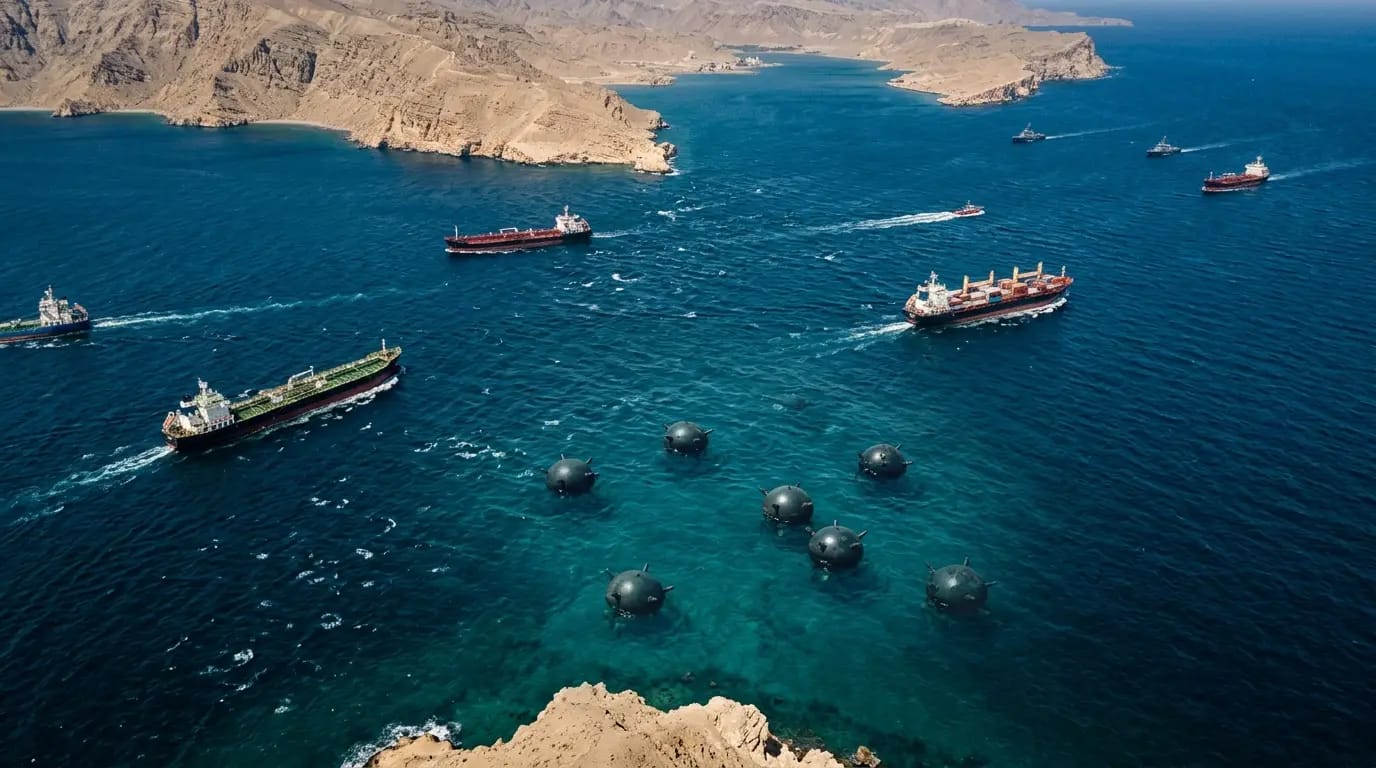
Recent vessel-tracking data compiled by Kpler and MarineTraffic and analyzed by CNN paints a sobering picture of mounting uncertainty in and around the Strait of Hormuz. As tensions escalate among Iran, the United States, and Israel, developments in the Gulf are once again exposing the fragility of one of the world’s most strategically vital maritime corridors.
This is not merely a regional security concern. It is a direct challenge to global trade, energy stability, and the safety of the thousands of seafarers who sustain international commerce daily.
For decades, the Strait of Hormuz has served as the primary outlet for crude oil and liquefied natural gas exports from the Gulf. Its importance cannot be overstated: a substantial share of the world’s energy supplies transits this narrow waterway, making it a critical artery for the global economy. Any disruption—whether born of military confrontation, navigational restrictions, or heightened security threats—reverberates instantly through international markets.
The current crisis underscores a fundamental reality of globalization: the world remains dangerously dependent on a handful of maritime chokepoints. While advances in logistics and supply chain management have improved efficiency, they have not resolved the structural vulnerabilities inherent in narrow sea passages. When tensions spike in these regions, the consequences radiate far beyond the immediate conflict zone.
For the shipping industry, uncertainty is often as damaging as outright disruption. Shipowners, charterers, insurers, and cargo interests must contend with spiraling operational costs, elevated war-risk premiums, route diversions, and reinforced security protocols. Even the perception of danger can trigger sharp market reactions, influencing freight rates and commodity prices globally.
Yet the most overlooked dimension of such crises is the human one. Thousands of seafarers continue to operate in high-risk waters amid mounting security threats. These maritime professionals lack the luxury of political distance; they are the ones navigating vessels through areas where military activity, surveillance operations, and potential confrontations present daily, tangible dangers.
The international maritime community bears a moral and professional obligation to prioritize the safety and welfare of seafarers. Governments entangled in geopolitical disputes must recognize that merchant ships are civilian assets—and must never become collateral victims of political or military brinkmanship.
For developing maritime nations like Kenya, the implications are equally profound. Rising energy costs inevitably translate into higher transport expenses, inflationary pressures, and greater economic fragility. As Kenya advances its ambitions to become a regional maritime and logistics hub—anchored in Blue Economy initiatives—the stability of global shipping routes remains a matter of urgent national interest.
This crisis also underscores the imperative of maritime security cooperation. Regional and international partnerships designed to protect freedom of navigation, enhance maritime domain awareness, and ensure rapid-response capabilities have never been more critical. The safety of international shipping cannot rest on the actions of individual states alone; it demands collective commitment and coordinated action.
Beyond economics and security, the situation is a stark reminder that diplomacy remains the most effective instrument for preserving stability in strategic maritime regions. Military posturing may generate headlines, but sustainable solutions can only emerge through dialogue, restraint, and unwavering adherence to international law.
In recent years, the world has witnessed cascading disruptions to global supply chains—from pandemics and port congestion to geopolitical conflicts. Each crisis has reaffirmed the interconnected nature of modern commerce. What transpires in one strategic corridor ultimately affects consumers, industries, and economies everywhere.
As tensions continue to evolve, policymakers, industry leaders, and maritime stakeholders must recognize that safeguarding the uninterrupted flow of maritime trade is not merely an economic imperative—it is a prerequisite for global stability. The events unfolding around the Strait of Hormuz should therefore be viewed as a powerful reminder that peace, security, and cooperation at sea remain indispensable pillars of the international trading system.
The stakes extend well beyond the Gulf. They encompass the future of global energy markets, the resilience of international commerce, and the safety of the seafarers whose steadfast dedication keeps the world’s economies connected. In an increasingly volatile geopolitical landscape, protecting these interests must remain a shared global responsibility.