


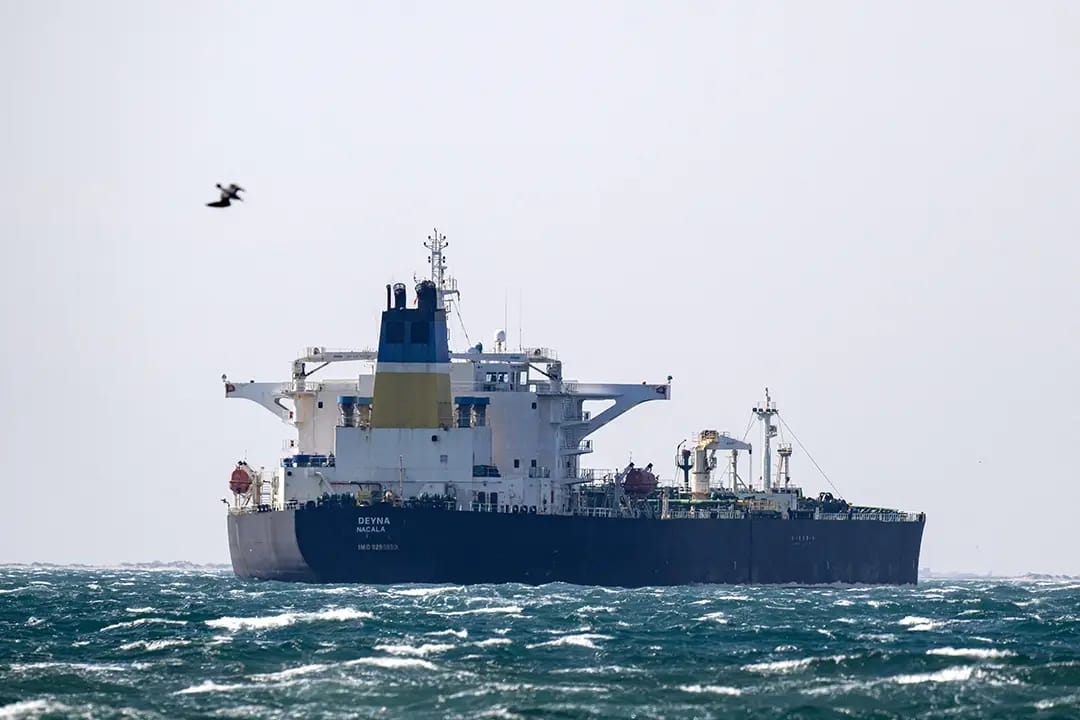
Russia’s shadow fleet is not a clever loophole; it is a brazen act of maritime predation. By weaponizing Africa’s regulatory weaknesses, Moscow has turned the continent’s shipping registries into instruments of war finance and transnational criminal enterprise. African governments that tolerate—or fail to police—these abuses are not neutral bystanders. They are enablers, providing cover for nearly $100 billion in annual oil revenue while exposing their own waters and global reputations to lasting ruin.
The mechanics are well documented. An aging armada of nearly 600 tankers—many poorly maintained and operating under opaque ownership—moves up to 4.1 million barrels of oil daily. These vessels routinely disable tracking systems, conduct clandestine ship-to-ship transfers, and engage in frenetic “flag hopping.” More than half of all documented global false-flag cases are now linked to African jurisdictions. Fake registries and fraudulent websites—often bearing the telltale domain marinegov.net—have proliferated under the names of authorities in Angola, Benin, Cameroon, Chad, Equatorial Guinea, Eswatini, Guinea, Malawi, Mali, Mauritania, Mozambique, Namibia, and Zambia. Some of these registries are phantom constructs; others were hijacked or forged outright.
Cameroon offers the clearest illustration of both the problem’s scale and the start of a remedy. Its registry reportedly ballooned by 126 percent in a single year, fueled by forged documents bearing the signatures of genuine maritime officials. The cost came into sharp focus in June, when a Cameroon-flagged tanker carrying Russian crude ran aground off Oman, threatening pristine marine ecosystems. European and Western navies have since boarded multiple vessels flying Cameroonian colors on suspicion of shadow-fleet activity. To its credit, Yaoundé has begun deregistering suspect ships, suspending new registrations for vessels operating outside its waters, and auditing its rolls. Yet this corrective action remains incomplete as long as neighboring flag states stay porous.
Comoros has seen more than 100 of its flagged vessels blacklisted by the European Union, the United Kingdom, and the United States for their role in Russian oil transport. Malawi’s government was forced to issue a formal warning to the International Maritime Organization after a fraudulent “Malawi Maritime Administration” was exposed. These are not isolated administrative failures; they are systemic vulnerabilities that Russia—and other illicit actors—actively exploit.
The consequences, however, extend far beyond Ukraine’s battlefields. The same regulatory gaps that allow sanctioned oil to move also facilitate narcotics trafficking, illegal fishing, arms smuggling, and money laundering. When African registries gain a reputation as easy flags of convenience, legitimate shipping companies recoil, insurance premiums soar, and the credibility of African maritime governance erodes. Sovereignty is not fortified by cheap flags; it is betrayed when foreign interests treat a nation’s maritime identity as a disposable tool.
African states have both the right and the duty to close these gaps. Strengthening vessel registration demands more than statements of concern. It requires verifiable transparency of ownership, real-time data sharing with the International Maritime Organization and regional security centers, rigorous due diligence on beneficial ownership, and the technical savvy to detect forged documentation and fake websites. Regional bodies—the African Union, the Gulf of Guinea Commission, and relevant economic communities—must treat registry integrity as a collective security imperative, not a purely national administrative matter. Harmonized standards and mutual verification mechanisms would raise the cost of abuse for all.
International partners can offer support, but they cannot substitute for African resolve. Expanded naval enforcement, such as the European Union’s recent broadening of Operation Irini, is a useful tool—but it is no replacement for upstream prevention at the point of registration. African governments that act decisively to clean their registries will protect their maritime domains, reduce exposure to secondary sanctions, and deny a major revenue stream to a war that continues to destabilize global energy and food markets.
The choice is unsparing. African shipping registries can remain soft targets, pocketing meager registration fees while facilitating long-term strategic harm. Or they can become reliable instruments of lawful commerce and national security. Russia’s shadow fleet has already demonstrated how swiftly weak systems can be weaponized. The response must be equally deliberate: close the loopholes, enforce genuine control, and refuse to let African flags serve as cover for anyone else’s war.